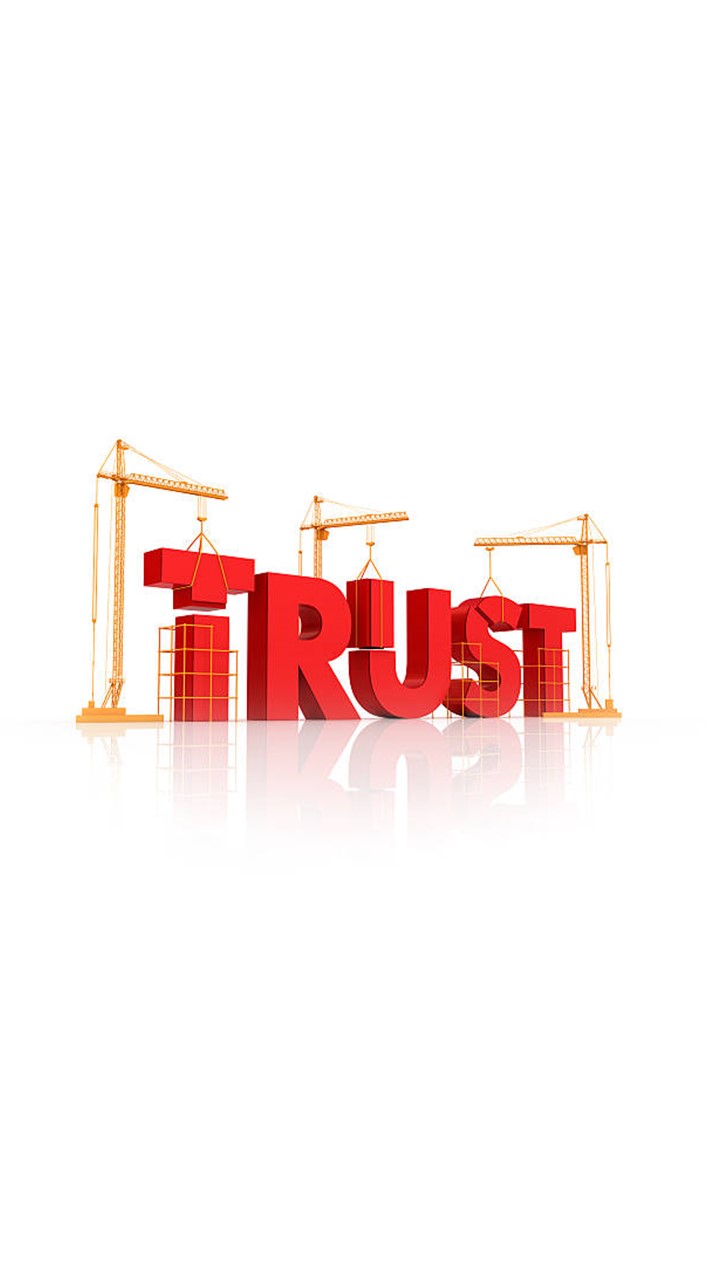
Foundation for Lasting Relationship

Inspiring Human Connection That Matters

  • Cultivating Emotional Intimacy in Your Relationship

    Introduction:

    In the tapestry of a thriving relationship, emotional intimacy forms the vibrant threads that weave a deep and meaningful connection. In this article, we’ll explore practical strategies for couples to cultivate emotional intimacy, fostering a bond that withstands the tests of time and adversity.

    Prioritizing Vulnerability and Authenticity:

    At the core of emotional intimacy lies vulnerability and authenticity. Encourage partners to share their true selves, fears, and dreams openly. Discuss the transformative power of being authentic and vulnerable, creating an environment where both individuals feel safe to express their deepest emotions.

    Emotional intimacy thrives in the soil of authenticity and vulnerability. When we have the courage to be real with ourselves and others, we create a space for genuine connection to blossom. This isn’t just about sharing our wins and triumphs, but also owning up to our fears, insecurities, and struggles. In doing so, we invite others to do the same, fostering an environment where everyone feels validated and understood.

    The transformative power of being authentic and vulnerable lies in its ability to break down barriers and build bridges between individuals. It’s a reminder that we’re all navigating this messy human experience together, seeking validation and acceptance along the way. By embracing our vulnerabilities, we pave the way for deeper connections and meaningful relationships that are grounded in truth and empathy rather than pretence.

    Expressing Gratitude and Affection:

    Gratitude has a transformative power in fostering a positive emotional environment, particularly in the realm of emotional intimacy. When we express gratitude towards our loved ones, it creates a deeper connection and understanding between us.

    By acknowledging and appreciating the contributions of others, we validate their efforts and create a sense of mutual respect and warmth within our relationships.

    This fosters an environment where both parties feel valued and understood, thus contributing to the development of emotional intimacy.


    Furthermore, practicing gratitude also enhances our own emotional well-being. When we actively seek out reasons to be grateful, it shifts our perspective towards positivity and abundance. This not only impacts how we interact with others but also influences our internal state of mind. It allows us to cultivate a more optimistic outlook on life which can be infectious to those around us. Ultimately, by infusing gratitude into our daily lives, we can create an emotionally uplifting atmosphere that nurtures stronger connections with ourselves and others.

    Navigating Conflict with Emotional Intelligence:

    Approaching conflict with emotional intelligence emphasizes the significance of prioritizing understanding over winning. When individuals engage in conflicts, the focus should not solely revolve around achieving victory or proving one’s point. Instead, it is crucial to approach these situations with empathy and a genuine desire to comprehend the other person’s perspective. By doing so, we can foster emotional intimacy and build stronger connections with those around us.
    In essence, the act of approaching conflict with emotional intelligence enables individuals to delve deeper into the underlying emotions and motivations driving the discord. This approach allows for a more fruitful resolution, as it shifts the emphasis from asserting dominance to fostering mutual understanding and respect. Embracing this mindset also encourages open communication and empathy, ultimately paving the way for healthier relationships and more meaningful interactions. In this manner, it becomes evident that prioritizing understanding over winning in moments of conflict can lead to greater personal growth and enhanced emotional intimacy with others.

    Building Trust Through Consistency:

    Consistently showing up for your partner, keeping promises, and being reliable are foundational elements in cultivating emotional intimacy.

    When you consistently show up for your partner, it communicates a deep sense of care and commitment. It signifies that they can rely on you to be there through the ups and downs, creating a secure emotional foundation. Keeping promises further reinforces this sense of security by demonstrating that your words hold weight and that you can be trusted to follow through with your commitments.

    In relationships, reliability is the bedrock upon which trust is built. By consistently being reliable, you create an environment where your partner feels safe to open up and share their vulnerabilities. This sense of security fosters emotional intimacy as it allows both partners to be authentic and transparent without fear of judgment or abandonment. Moreover, being a reliable presence in your partner’s life reinforces the belief that they can count on you not just during the good times but especially during moments of need, strengthening the bond of trust between you both..

    Fostering a Culture of Support:

    Supporting each other’s dreams, goals, and challenges creates a culture of emotional intimacy. Explore how being each other’s cheerleader, providing comfort during tough times, and celebrating successes together contribute to a supportive and connected partnership.

    Consistently showing up for your partner, keeping promises, and being reliable are foundational elements in cultivating emotional intimacy. When you consistently show up for your partner, it communicates a deep sense of care and commitment. It signifies that they can rely on you to be there through the ups and downs, creating a secure emotional foundation.

    Keeping promises further reinforces this sense of security by demonstrating that your words hold weight and that you can be trusted to follow through with your commitments.

    In relationships, reliability is the bedrock upon which trust is built. By consistently being reliable, you create an environment where your partner feels safe to open up and share their vulnerabilities. This sense of security fosters emotional intimacy as it allows both partners to be authentic and transparent without fear of judgment or abandonment. Moreover, being a reliable presence in your partner’s life reinforces the belief that they can count on you not just during the good times but especially during moments of need, strengthening the bond of trust between you both.

    Conclusion:

    Cultivating emotional intimacy is a continuous journey that requires intention, effort, and a commitment to deepening the emotional bond between partners. By prioritizing vulnerability and authenticity, practicing active listening and empathy, sharing innermost thoughts, creating rituals of connection, expressing gratitude, navigating conflict with emotional intelligence, building trust through consistency, and fostering a culture of support, couples can weave a tapestry of emotional connection that enriches their relationship. Remember, the heart-to-heart connection is nurtured through shared experiences, open communication, and a genuine investment in each other’s emotional well-being.

  • How to Keep the Spark Alive in a Long-Term Relationship

    Long-term relationships are a beautiful journey filled with shared memories, growth, and companionship. However, as time passes, couples often find themselves facing the challenge of maintaining the initial spark that ignited their connection. The euphoria of a new relationship naturally evolves, but it doesn’t have to fade away entirely.

    This write-up explores strategies and insights on how to keep the spark alive in a long-term relationship, ensuring that the flame of love continues to burn brightly.

    Understanding the Evolution of Love:

    Before diving into specific strategies, it’s essential to recognize that love, like any other aspect of life, evolves. The initial intensity experienced in the honeymoon phase tends to mellow into a more profound, mature connection. Accepting and embracing this natural evolution is crucial for a healthy long-term relationship. Realizing that love transforms and deepens over time allows couples to appreciate the different stages of their journey together.

    Effective Communication:

    One of the fundamental pillars of any successful relationship is effective communication. As time goes on, couples may develop assumptions or drift into a routine, leading to a communication breakdown. To keep the spark alive, it’s vital to continuously communicate openly and honestly.

    Regular check-ins to discuss each other’s feelings, dreams, and concerns provide an opportunity to stay connected on a deeper level. Additionally, active listening plays a crucial role in understanding your partner’s perspective. By fostering a safe and open environment for communication, couples can navigate challenges more effectively, strengthening their bond.

    Shared Goals and Adventures:

    Building a life together involves creating shared goals and embarking on adventures as a team. Whether it’s planning a dream vacation, pursuing a common hobby, or setting joint career objectives, shared experiences contribute to the vitality of a relationship. Creating a bucket list as a couple and actively working towards achieving those goals not only adds excitement to the relationship but also strengthens the sense of partnership.

    The joy of accomplishing shared goals provides lasting memories and reinforces the idea that the relationship is a continuous journey of growth and exploration.

    Quality Time and Intimacy:

    In the hustle and bustle of daily life, couples may find it challenging to allocate quality time for each other. Scheduling regular date nights or weekend getaways can reignite the romance by creating an atmosphere away from the routine responsibilities.

    Intimacy is a crucial component of maintaining a strong connection. Physical affection, emotional closeness, and maintaining a healthy sex life contribute significantly to keeping the spark alive. Communicating about each other’s needs and desires fosters a sense of understanding and deepens the emotional and physical connection between partners.

    Embracing Change and Adaptability:

    As individuals grow and evolve, so does the dynamic of a relationship. Embracing change and adapting to new phases of life is vital for keeping the spark alive. Instead of resisting change, couples can view it as an opportunity for mutual growth.

    Supporting each other’s personal development, celebrating achievements, and navigating challenges together contribute to a resilient and enduring connection. The ability to adapt to the evolving nature of a long-term relationship ensures that both partners continue to inspire and uplift each other.

    Nurturing Individual Identities:

    While shared experiences are essential, maintaining individual identities is equally crucial. Encouraging each other to pursue personal passions and hobbies fosters a sense of independence and self-discovery.

    When partners continue to grow as individuals, they bring new dimensions to the relationship. Sharing these individual experiences and discoveries can be invigorating, injecting a sense of novelty and excitement into the partnership.

    Appreciation and Gratitude:

    Expressing gratitude for the little things can have a profound impact on the overall satisfaction of a relationship. As time goes on, it’s easy to take each other for granted. However, acknowledging and appreciating the efforts and qualities of your partner can reignite the spark.

    Simple gestures like expressing gratitude for a thoughtful act, leaving love notes, or expressing admiration for each other can create a positive and loving atmosphere. Regularly expressing appreciation reinforces the foundation of the relationship and contributes to an enduring sense of connection.

    Seeking Professional Support:

    It’s important to acknowledge that maintaining a long-term relationship isn’t always smooth sailing. Couples may encounter challenges that require external guidance. Seeking the help of a relationship counselor or therapist can be a proactive step in addressing underlying issues and strengthening the relationship.

    Professional support provides a neutral space for couples to communicate openly, identify areas of improvement, and develop effective strategies for overcoming obstacles. Just as individuals prioritize physical health by consulting a doctor, prioritizing the health of a relationship through professional guidance is a responsible and proactive approach.

    Conclusion:

    Keeping the spark alive in a long-term relationship requires dedication, effort, and a willingness to adapt and grow together. By fostering effective communication, sharing goals and adventures, prioritizing quality time and intimacy, embracing change, nurturing individual identities, expressing appreciation, and seeking professional support when needed, couples can navigate the journey of a long-term relationship with resilience and joy.

    Ultimately, sustaining the flame is a collaborative effort that involves both partners actively contributing to the growth and well-being of the relationship. With commitment and a proactive approach, couples can ensure that the spark continues to burn brightly throughout the various stages of their shared journey.

  • If it is love it should flow

    These simple yet profound words capture the essence of what love is and how it should be experienced. Love, at its core, is a force that should flow freely and effortlessly between two individuals. It should not be hindered or restricted by external factors. But what does it mean for love to flow? And why is it so important?

    What is love

    Love, in its purest form, is a deep connection and affection between two people. It is a bond that is built on trust, understanding, and mutual respect. When love flows between two individuals, it means that there is an open and honest exchange of emotions, thoughts, and desires.

    It means that both parties are willing to give and receive love freely, without any barriers or conditions.

    Love should flow because it is in the flowing that love grows and strengthens. When love is allowed to flow, it nurtures and sustains the relationship. It brings joy, happiness, and a sense of fulfillment. Love that flows is dynamic and alive, constantly evolving and adapting to the changing needs and desires of the individuals involved.

    What are the obstacles to love flowing

    However, there are obstacles that can hinder the flow of love. Insecurities, fear, and past traumas can create barriers that prevent love from flowing freely. These obstacles can manifest in various forms, such as jealousy, possessiveness, and a lack of communication. When love is blocked or restricted, it becomes stagnant and loses its vitality.

    How can we overcome these obstacles

    Overcoming these obstacles requires a willingness to confront and address the underlying issues. It requires introspection and self-awareness to identify and understand the root causes of these barriers. It also requires open and honest communication between partners, as well as a willingness to be vulnerable and share one’s fears and insecurities.

    Building trust is essential in allowing love to flow. Trust is the foundation on which love is built. Without trust, love cannot flourish. It is important to establish trust through consistent and reliable actions, and by being transparent and honest with one another.

    Another obstacle to the flow of love is the lack of self-love. If individuals do not love and accept themselves fully, it becomes difficult for them to receive and give love freely.

    Cultivating self-love involves practicing self-care, setting boundaries, and learning to forgive oneself. It also involves recognizing and appreciating one’s own worth and value.

    Creating a safe space for love to flow is crucial. This means creating an environment where both partners feel comfortable expressing their thoughts, feelings, and desires without fear of judgment or rejection. It means actively listening to one another and validating each other’s experiences. It also means being open to compromise and finding common ground.

    Ultimately, allowing love to flow requires a conscious effort and commitment from both individuals involved. It requires a willingness to let go of control and expectations and instead embrace the unknown and the unpredictable nature of love. It requires patience, understanding, and acceptance of one another’s flaws and imperfections.

    In conclusion, if it is love, it should flow. Love is a powerful force that should be allowed to flow freely and effortlessly between two individuals. It is in the flowing of love that relationships thrive and grow. However, there are obstacles that can hinder the flow of love, such as insecurities and fear. Overcoming these obstacles requires self-awareness, open communication, and a willingness to confront and address underlying issues. By creating a safe space for love to flow and cultivating self-love, individuals can experience the full potential of love in their lives. So let love flow, and watch as it transforms and enriches your relationships.

  • The impact of social media on illicit relationships

    In this digital age, social media has become an integral part of our lives. It has revolutionized the way we communicate, connect, and even form relationships

    While social media has undoubtedly brought people closer together, it has also opened up a whole new world for illicit relationships. In this blog post, we will explore how social media has changed the landscape of illicit relationships, the role it plays in online dating, sexting, and how it can facilitate infidelity.

    Gone are the days when cheating was limited to physical interactions and secret phone calls. With the advent of social media platforms like Facebook, Instagram, and Twitter, individuals seeking illicit relationships now have a vast array of options at their disposal. These platforms provide a cloak of anonymity, making it easier for people to engage in behaviors they would otherwise hide.

    Online dating has witnessed a significant surge in popularity over the years, thanks to social media. Dating apps like Tinder, Bumble, and OkCupid have made it effortless for people to connect with potential partners. However, these platforms have also become a breeding ground for illicit relationships. The ease of creating fake profiles and the ability to browse through countless options make it tempting for individuals in committed relationships to seek excitement elsewhere.

    Sexting, the act of sending sexually explicit messages or images, has become increasingly prevalent in today’s society. Social media platforms provide a convenient avenue for individuals to engage in sexting with someone other than their partner. The thrill of exchanging illicit messages and images can be enticing, especially for those seeking a break from the monotony of their current relationship. The anonymity and privacy that social media platforms offer make it easier for individuals to partake in such activities without the fear of being caught.

    Social media also facilitates infidelity by blurring the lines between innocent interactions and flirtatious behavior. Likes, comments, and direct messages can create a false sense of intimacy, leading individuals down a slippery slope towards infidelity. People may start innocently engaging with someone on social media, but over time, these interactions can escalate into emotional affairs or even physical encounters.

    Moreover, social media platforms have made it easier for individuals to reconnect with old flames or ex-partners. With a simple search and a click of a button, one can reconnect with a past lover and potentially ignite the flame of an illicit relationship.

    The accessibility and reach of social media have made it difficult for individuals in committed relationships to escape their past and move on.

    It is important to acknowledge that social media itself is not to blame for illicit relationships. It is merely a tool that amplifies the choices individuals make. However, it is crucial to recognize the impact that social media has had on the landscape of infidelity. The allure of secrecy, anonymity, and convenience that social media provides has undoubtedly contributed to the rise in illicit relationships.

    In conclusion, social media has undeniably changed the way we form relationships, including illicit ones. The ease of online dating, the temptation of sexting, and the blurred lines between innocent interactions and flirtation all contribute to the evolving landscape of infidelity. As social media continues to evolve, it is essential for individuals in committed relationships to establish boundaries and open lines of communication to ensure that the allure of illicit relationships does not overshadow the importance of trust and loyalty.

  • The psychology of infidelity

    Love is a complex maze, where emotions intertwine and relationships are put to the test. At some point in our lives, most of us have experienced the gripping fear of betrayal or even felt its sting firsthand. Infidelity, a topic shrouded in secrecy and taboo, has captivated human beings for centuries. Whether it’s an illicit affair or a wandering eye that tempts us towards forbidden fruit, the psychology behind infidelity reveals fascinating insights into our desires, vulnerabilities, and the intricate workings of our minds.

    The influence of personality traits on infidelity

    Cheating in a relationship is a complex issue that cannot simply be attributed to external factors like boredom or opportunity. Personality traits play a significant role in determining whether someone is more likely to engage in infidelity. Take, for example, individuals who score higher on the trait of impulsivity. Research shows that these individuals tend to be more prone to seek out novel experiences and take risks, making them more likely to be unfaithful in relationships.
    Another trait that has been linked to infidelity is narcissism. Narcissistic individuals have an inflated sense of self-importance and a constant need for admiration from others. This insatiable desire for attention can lead them to engage in affairs as they seek validation outside their primary relationship. Moreover, narcissists often lack empathy and struggle with genuine emotional connections, making it easier for them to betray their partner’s trust.

    While personality traits can certainly influence the likelihood of engaging in infidelity, it’s important not to oversimplify the matter. Factors such as relationship satisfaction and external temptations also play crucial roles. However, by understanding how personality traits can contribute to cheating tendencies, we gain valuable insights into why some individuals are more prone to straying than others – ultimately helping us navigate the complexities of navigating successful partnerships and fostering trust between couples

    The impact of relationship satisfaction on infidelity

    The impact of relationship satisfaction on infidelity is a complex and often debated topic. While it may seem obvious that being satisfied in a relationship would decrease the likelihood of cheating, research has shown that this is not always the case.

    In fact, some studies have found that individuals who report higher levels of relationship satisfaction are actually more likely to engage in infidelity. This counterintuitive finding suggests that individuals who are satisfied in their relationships may be more likely to seek novelty or excitement outside of their current partnership.
    One possible explanation for this phenomenon might be related to personal characteristics and individual needs. For some people, even if they are satisfied with their current relationship, they may still have a desire for new experiences or different partners. In other words, it’s not necessarily about dissatisfaction within the existing relationship but rather about fulfilling personal desires and curiosity.

    Furthermore, it is crucial to consider the role of external factors that can contribute to infidelity regardless of relationship satisfaction. The availability and accessibility of alternative partners or opportunities for cheating can play a significant role in whether someone engages in infidelity, regardless of how satisfied they are within their current relationship.To fully understand the impact of relationship satisfaction on infidelity, it is essential to recognize the complexity and individual differences involved in each situation. Rather than assuming that high levels of satisfaction equate to complete fidelity, we should look beyond surface-level explanations and delve into the unique motivations behind acts of unfaithfulness. By doing so, we can gain a deeper understanding of human nature and relationships

    The emotional consequences of infidelity

    Infidelity is a profound betrayal that can shake the foundation of any relationship. While the immediate consequences may include anger, heartbreak, and feelings of worthlessness, the emotional aftermath often lingers long after the affair has ended. The wounded party is left questioning their own self-worth and struggling to trust again, while the guilty partner grapples with remorse and tries to repair the damage done.

    One striking emotional consequence of infidelity is the erosion of self-esteem. Discovering that your partner has been unfaithful can leave you feeling inadequate and undeserving of love. The betrayed individual may question their attractiveness, intelligence, or even their ability to maintain a fulfilling relationship in the future. These doubts can seep into other aspects of one’s life, causing a ripple effect on personal well-being and overall happiness.

    Moreover, rebuilding trust becomes an uphill battle for both parties involved. Trust is fragile; it takes years to build but only seconds to shatter. After infidelity comes to light, restoring faith in each other becomes an arduous journey filled with constant doubt and insecurity. The once-solid foundation of trust crumbles beneath every unanswered phone call or suspicious behavior – leaving both partners haunted by a perpetual sense of uncertainty. Healing from infidelity challenges individuals not only emotionally but also mentally as they navigate through complex emotions like forgiveness, fear, and vulnerability.

    Why people cheat on their partners

    Cheating in a relationship is a complex issue that cannot be attributed to a single factor. While some individuals cheat due to dissatisfaction or lack of emotional connection, others do it out of sheer opportunity or curiosity. Recent studies suggest that personality traits such as impulsivity and thrill-seeking tendencies can contribute to infidelity. Moreover, societal factors like the normalization and glamorization of cheating in popular culture can also play a role in shaping people’s behavior.


    Another aspect worth considering is the impact of technology on infidelity. With the rise of social media platforms and dating apps, meeting new people has become easier than ever before; this virtual realm provides an opportunity for individuals to engage in emotional or even physical affairs without their partner’s knowledge.

    Moreover, the anonymity offered by these platforms may give cheaters a sense of security that they won’t get caught. This shift towards digital connections undoubtedly increases the temptation and potential for infidelity within relationships.

    Impact of infidelity on relationships and how to recover from it

    Infidelity is a devastating blow to any relationship, leaving behind a trail of broken trust and shattered emotions. The discovery of an affair can turn a once happy and stable partnership into a chaotic mess filled with pain, anger, and confusion.

    The impact of infidelity on relationships is profound, often leading to feelings of betrayal, low self-esteem, and a loss of intimacy between partners.

    Recovering from infidelity requires both time and effort from both parties involved. Couples must be willing to confront the harsh realities that led to the affair in the first place. It’s essential for the betrayed partner to express their hurt and anger openly while also seeking professional help or support groups if needed. Rebuilding trust is no easy task but can be achieved through open communication, transparency, and consistent efforts on behalf of both partners. Additionally, it’s crucial for couples to redefine their boundaries and expectations moving forward in order to prevent future transgressions.

    Even though overcoming the aftermath of infidelity is incredibly challenging, it is possible for relationships to not only survive but also thrive after such trauma. This journey towards healing requires patience, forgiveness, and an unwavering commitment from both partners. By addressing root issues, fostering honest dialogue about needs and desires as well as maintaining personal growth as individuals within the relationship—couples can transform adversity into an opportunity for deep emotional connection and renewed love.

  • Should the dating apps be banned

    Dating apps have become increasingly popular in recent years, offering individuals a convenient way to meet potential partners. However, the question arises as to whether these apps should be banned altogether. On one hand, dating apps have revolutionized the way people connect and find love. They provide a platform for individuals who may not have the time or opportunity to meet others organically. Moreover, dating apps offer a wide range of options and allow users to filter their preferences, increasing the chances of finding a compatible partner.

    On the other hand, some argue that dating apps can be detrimental to genuine relationships. These platforms often prioritize appearances and superficial qualities over deeper connections and compatibility.

    Additionally, the abundance of options available can lead to commitment issues or constant searching for someone better suited. Moreover, dating apps can contribute to a culture of instant gratification and disposable relationships – rather than investing time into building meaningful connections, individuals may choose to continuously swipe left or right in search of the next best thing.

    Ultimately, whether or not dating apps should be banned is a complex issue with valid arguments on both sides. While they undoubtedly provide opportunities for meeting new people and forming relationships otherwise unlikely in today’s fast-paced society, their potential negative impact on genuine connections cannot be ignored either. Perhaps it is not banning that is necessary but rather promoting awareness about healthy habits when using such platforms – encouraging users to prioritize substance over surface-level attraction and fostering an understanding that real relationships require effort and commitment beyond mere swipes on a screen.

    Personal opinion

    Well, if we ban dating apps, I guess we’ll have to go back to the good old days of pretending to be interested in someone’s dog just to strike up a conversation. But hey, on the bright side, at least we won’t have to swipe left on endless bathroom mirror selfies anymore!

    Banning dating apps seems like a wild idea, but let’s be honest here – they can be a total rollercoaster ride! Sure, they’re exciting and full of potential connections, but sometimes it feels like you’re swiping through an endless sea of disappointment. So maybe we can’t ban them completely, but let’s just say a little break from the digital dating madness wouldn’t hurt… *cue dramatic exit*

  • The Complex Dynamics of Unmarried Women Falling in Love with Married Men

    In the realm of love and relationships, the dynamics can often be complicated and messy. One such complicated scenario is when unmarried women find themselves falling in love with married men. It’s a situation that many may find morally objectionable, yet it happens far more frequently than one might think.

    In this article, we will explore the intricate dynamics that come into play when an unmarried woman becomes entangled with a married man. We will delve into the emotions, the societal expectations, and the gray areas that arise in such relationships.

    Love has a way of blurring lines and breaking boundaries, and one cannot simply dismiss the strong force that draws these women towards married men. We will seek to understand the reasons behind this attraction and examine the consequences that these relationships can have on all parties involved.

    Understanding the psychology behind the attraction

    When it comes to attraction, there is no one-size-fits-all explanation. The psychology behind unmarried women falling in love with married men is complex and multifaceted. Some women may be drawn to the thrill of the forbidden, the excitement of a secret affair. Others may find themselves attracted to the emotional availability and stability that a married man can provide. It’s essential to recognize that every individual and relationship is unique, and the reasons for this attraction can vary greatly.

    It’s important to note that falling in love with a married man is not a conscious choice for most women. It often happens unexpectedly, and the emotional connection can grow gradually over time. The complexities lie in reconciling the heart’s desires with societal norms and moral values. However, understanding the psychology behind this attraction can provide insights into the inner workings of the human heart.

    The societal and cultural factors at play

    Society plays a significant role in shaping our beliefs and values, including those related to love and relationships. In many cultures, marriage is considered sacred, and extramarital affairs are frowned upon. This societal pressure can create a sense of guilt and shame for unmarried women involved with married men. The fear of being judged by family, friends, and the wider community can add additional layers of complexity to the relationship.

    Furthermore, societal expectations often place a greater emphasis on marriage and commitment, which can make it challenging for unmarried women to find suitable partners. The emotional connection and companionship they find with married men can be a tempting alternative to being alone or settling for less than what they desire. These societal and cultural factors contribute to the appeal of relationships with married men, despite the risks and challenges involved.

    The emotional rollercoaster: highs and lows of the relationship

    Being in a relationship with a married man is an emotional rollercoaster. The highs come from the intense connection and the feeling of being desired. There is often a sense of adventure and excitement that comes with the secrecy and forbidden nature of the relationship. However, these highs are often accompanied by lows, such as feelings of guilt, jealousy, and insecurity.

    The emotional turmoil can stem from the knowledge that the relationship is inherently unstable and cannot progress to a more committed stage. There is a constant fear of being discovered, which can lead to anxiety and stress.

    Additionally, the unmarried woman may struggle with feelings of inadequacy, wondering why she is not enough to make the man leave his spouse. These emotional challenges can take a toll on one’s mental well-being and overall happiness.

    The challenges and risks involved in such relationships

    Entering into a relationship with a married man comes with its fair share of challenges and risks. Firstly, there is the risk of being discovered, which can have severe consequences, both for the unmarried woman and the married man. The potential fallout can include damaged reputations, broken families, and emotional turmoil for all parties involved.

    Furthermore, there are inherent power imbalances in these relationships. The married man holds a position of authority and control, as he has the ability to navigate between two worlds. This power dynamic can leave the unmarried woman feeling vulnerable and dependent on the man’s decisions. It can also lead to a sense of being used or taken advantage of. Additionally, there is always the risk of unfulfilled expectations. The unmarried woman may hope that the married man will leave his spouse and choose her, only to realize that this may never happen. This can lead to heartbreak and a sense of wasted time and energy.

    The impact on the married man’s spouse and family

    While the focus of this article is on the unmarried women involved with married men, it is crucial to acknowledge the impact on the married man’s spouse and family.

    Infidelity can cause significant emotional pain and betrayal for the spouse, leading to broken trust and a damaged relationship. Children, if present, may also be deeply affected by their parents’ infidelity.

    It’s important to remember that the married man has made a commitment to his spouse, and engaging in a relationship outside of that commitment can have far-reaching consequences. The emotional toll on the spouse and family cannot be underestimated, and it’s essential to consider their well-being when evaluating the ethics of such relationships.

    Coping mechanisms for unmarried women in love with married men

    For unmarried women involved with married men, finding healthy coping mechanisms is crucial for maintaining their emotional well-being. Firstly, it’s essential to establish boundaries and realistic expectations. Understanding the limitations of the relationship and accepting that it may never progress beyond its current state can help manage emotional turmoil.

    Seeking support from trusted friends or a therapist can also be beneficial. Having a safe space to express emotions and gain perspective can provide much-needed clarity and support. It’s important to find outlets for self-care and self-reflection, such as engaging in hobbies, practicing mindfulness, or journaling.

    Ultimately, each woman must decide what is best for her own happiness and well-being. This may involve making difficult choices, such as ending the relationship or seeking personal growth and fulfillment outside of the affair.

    Healing and moving forward: finding closure and learning from the experience

    Healing from the emotional wounds of being involved with a married man takes time and self-reflection. It’s important to find closure and learn from the experience. This may involve reflecting on what led to the attraction in the first place and identifying any underlying emotional needs that were not being met.

    Engaging in self-improvement and personal growth can be empowering during this healing process. Taking steps to build self-esteem and self-worth can help prevent future involvement in similar relationships. It’s also important to forgive oneself and let go of any guilt or shame associated with the affair.

    Moving forward, it’s essential to prioritize one’s own happiness and well-being. This may involve seeking healthier, more fulfilling relationships or focusing on personal goals and aspirations. Learning from past experiences can lead to personal growth and a better understanding of what one truly desires in a relationship.

    Society’s perception and judgment towards these relationships

    Society often holds strong opinions and judgments towards unmarried women involved with married men. These relationships are often stigmatized and viewed as morally objectionable. The unmarried woman may face criticism, ostracism, and even condemnation from those around her.

    It’s important to challenge societal norms and question the judgments imposed on these relationships. Each individual’s journey is unique, and it’s essential to approach these situations with empathy and understanding. Recognizing that love and attraction can be complex and messy can help foster a more compassionate perspective towards those involved in such relationships.

    Conclusion: understanding the complexities and making informed choices

    The dynamics of unmarried women falling in love with married men are undoubtedly complex. From the psychology behind the attraction to the societal expectations and emotional challenges, there is much to consider. It’s crucial to approach these situations with empathy and understanding, recognizing that every individual’s journey is unique.

    Ultimately, it is up to each woman to make informed choices regarding her own happiness and well-being. It’s important to weigh the potential risks and consequences and consider the impact on all parties involved. By understanding the complexities and being aware of the societal judgments, we can foster a more compassionate and inclusive understanding of love and relationships.

  • How to Build Trust in a Relationship

    Trust is the cornerstone of any healthy and thriving relationship. It serves as the foundation upon which love, intimacy, and connection are built. However, trust is not a given; it is something that must be actively cultivated and nurtured over time. In this extensive guide, we will delve into the intricacies of trust in a relationship and explore practical strategies on how to build and maintain it.

    Understanding the Essence of Trust:

    1. Open and Honest Communication: The bedrock of trust lies in open and honest communication. Create a safe space for dialogue where both partners feel heard and understood. Be transparent about your thoughts, feelings, and expectations, fostering an environment of vulnerability and mutual respect.
    2. Consistency is Key: Trust is built through consistent actions and behaviors. Be reliable and predictable in your actions, showing that you can be counted on. Follow through on commitments and promises, no matter how small, as these actions contribute significantly to establishing a sense of reliability.
    3. Reliability in Actions: Trust is reinforced when actions align with words. Consistently demonstrating reliability in both small and significant matters builds confidence in your partner. Show up for each other, be punctual, and deliver on your promises to foster a sense of dependability.
    4. Empathy and Understanding: Empathy plays a crucial role in building trust. Strive to understand your partner’s perspective, validate their feelings, and demonstrate genuine compassion. This fosters a sense of emotional connection and reassures your partner that you are attuned to their needs.

    Building Trust Through Conflict Resolution:

    1. Constructive Conflict Management: Conflicts are inevitable in any relationship, but it’s how they are handled that impacts trust. Approach conflicts with a solution-oriented mindset, focusing on understanding each other rather than assigning blame. Use “I” statements to express your feelings and avoid criticism to create a supportive environment.
    1. Apologize and Forgive: Apologizing when you’ve made a mistake and forgiving your partner when they err are essential components of building trust. Be sincere in your apologies, take responsibility for your actions, and work together to find resolutions. Forgiveness allows the relationship to move forward without lingering resentment.
    2. Learn from Past Mistakes: Mistakes are opportunities for growth. Acknowledge and learn from past errors, using them as stepping stones for personal and relational improvement. Demonstrating a commitment to positive change reinforces trust and shows that you value the relationship enough to evolve.

    Fostering Trust Through Emotional Intimacy:

    1. Share Vulnerabilities: Building trust involves sharing vulnerabilities and fears. Be open about your insecurities and encourage your partner to do the same. Creating a space where both individuals can express their true selves without judgment strengthens the emotional bond.
    2. Be a Reliable Confidant: Trust is deepened when partners feel secure sharing their innermost thoughts. Be a reliable confidant, keeping private matters confidential and offering support without judgment. Knowing that you can trust your partner with your deepest concerns enhances emotional intimacy.
    3. Celebrate Success Together: Shared successes contribute to trust-building. Celebrate each other’s achievements, no matter how small, and show genuine enthusiasm for your partner’s accomplishments. This fosters a sense of mutual support and encouragement.

    Cultivating Trust Over Time:

    1. Quality Time and Presence: Spending quality time together is integral to building and maintaining trust. Put away distractions, be fully present, and engage in activities that nurture connection. Quality time reinforces the importance of the relationship in both partners’ lives.
    2. Set and Respect Boundaries: Establishing and respecting boundaries is essential for building trust. Clearly communicate your boundaries and be receptive to your partner’s. Respecting each other’s limits fosters a sense of safety and reinforces trust in the relationship.
    3. Continual Growth Together: Personal and relational growth go hand in hand. Encourage each other’s aspirations, celebrate personal achievements, and grow together as a couple. The process of continual growth strengthens the foundation of trust, showcasing a shared commitment to the relationship.

    Cultivating Trust Through Shared Values:

    1. Aligning Life Goals: Shared values and life goals are fundamental to building trust. Take time to discuss your long-term aspirations, both as individuals and as a couple. When partners have a mutual understanding and agreement on core values, trust naturally flourishes.
    1. Financial Transparency: Financial matters can be a source of tension if not handled transparently. Build trust by openly discussing financial goals, budgets, and expenditures. Regular financial check-ins can help both partners stay on the same page and foster a sense of shared responsibility.

    Navigating External Influences:

    1. Dealing with External Challenges: External influences, such as family dynamics, friendships, and work stress, can impact a relationship. Building trust involves navigating these external challenges together. Maintain open communication about external pressures, ensuring that you face them as a united front.
    2. Maintaining Independence: While shared activities and interests are crucial, maintaining individual interests and friendships outside the relationship is equally important. Trust is reinforced when both partners feel secure in their independence, knowing that the relationship supports personal growth and fulfillment.

    Trust in the Digital Age:

    1. Navigating Social Media: In the digital age, social media plays a significant role in relationships. Building trust involves setting boundaries on social media usage, respecting each other’s online privacy, and maintaining open conversations about any concerns related to online interactions.
    2. Transparent Communication in the Digital Era: Trust can be strengthened by maintaining transparent communication through various digital channels. Regular check-ins, even in the form of a simple text message, can reinforce emotional connection and security, especially during times when physical presence is limited.

    Seeking Professional Support:

    1. Counseling and Therapy: Sometimes, external support is beneficial for strengthening trust. Consider couples counseling or therapy to address underlying issues, enhance communication skills, and gain insights into building a more resilient and trusting relationship.
    2. Educational Workshops: Attend relationship-building workshops or seminars together. These experiences provide opportunities for learning new strategies, gaining insights from experts, and engaging in constructive activities that contribute to trust-building.
    3. Anniversaries and Special Occasions: Celebrate relationship milestones and special occasions to commemorate the journey you’ve shared. These celebrations reinforce positive memories and emphasize the commitment to each other, contributing to the overall trust in the relationship.
    • Renewing Commitment: Periodically renew your commitment to each other. This can be done through verbal expressions of love, revisiting your relationship goals, or even creating new commitments that reflect the evolving nature of your partnership.

    Conclusion:

    Building trust is an intricate process that involves a multifaceted approach. From aligning life goals and navigating external influences to managing the digital aspects of modern relationships and seeking professional support, trust is cultivated through intentional effort and a commitment to growth. By continually investing in open communication, shared values, and the celebration of milestones, couples can foster a relationship rooted in trust that stands strong in the face of life’s challenges. Remember, building trust is not a one-time effort but an ongoing journey that leads to a fulfilling and enduring connection between partners.

  • The Importance of Trust in Healthy Relationships

    Trust is a fundamental component of any healthy relationship. It is the foundation upon which other important aspects of a relationship, such as communication, respect, and intimacy, are built . Trust is essential for maintaining good mental health in a relationship. It helps to reduce anxiety, stress, and depression, and promotes feelings of security and well-being  Broken trust can have serious consequences on a relationship. It can lead to feelings of betrayal, anger, and resentment, and can cause irreparable damage to the relationship.

    Building and maintaining trust in a relationship requires effort and commitment from both partners. It involves being honest, open, and transparent with each other, and taking steps to repair any damage to the relationship caused by broken trust .

    The role of trust in building healthy relationships

    Here are some tips on how to build trust in a relationship:

    • Be honest: Honesty is the cornerstone of trust. It’s important to be truthful with your partner, even if it’s difficult or uncomfortable .
    • Communicate openly: Communication is key to building trust in a relationship. It’s important to be open and transparent with your partner about your thoughts, feelings, and concerns .
    • Keep your promises: Keeping your promises is a crucial part of building trust. If you make a promise to your partner, it’s important to follow through on it .
    • Be reliable: Being reliable is another important aspect of building trust. If you say you’re going to do something, make sure you do it .

    The impact of trust on mental health:

    Research has shown that trust is essential for maintaining good mental health in a relationship. It helps to reduce anxiety, stress, and depression, and promotes feelings of security and well-being In fact, patients reported more beneficial health behaviors, fewer symptoms, and higher quality of life when they had higher trust in their healthcare professional .

    The consequences of broken trust

    Broken trust can have serious consequences on a relationship. It can lead to feelings of betrayal, anger, and resentment, and can cause irreparable damage to the relationship Trust issues can manifest in a variety of ways, such as always assuming the worst, feeling suspicious of other people’s intentions, and engaging in self-sabotage People with trust issues often struggle to build healthy, long-lasting relationships, including romantic relationships, which can lead to trust-related infidelity, unwillingness to commit, and difficulty apologizing when trust has been broken .

    If you’re struggling with trust issues, here are some steps you can take to overcome them:

    1. Identify the root cause of your trust issues: Understanding the root cause of your trust issues is the first step in overcoming them. It could be due to past experiences, such as betrayal or abandonment, or it could be due to your own insecurities and fears .
    2. Practice self-care: Taking care of yourself is essential for building trust in a relationship. It helps to reduce anxiety, stress, and depression, and promotes feelings of security and well-being .
    3. Communicate openly with your partner: Communication is key to building trust in a relationship. It’s important to be open and transparent with your partner about your thoughts, feelings, and concerns .
    4. Be patient: Building trust takes time and effort. It’s important to be patient with yourself and your partner as you work through your trust issues .

    In conclusion, trust is an essential component of healthy relationships, providing the foundation for emotional intimacy, effective communication, and constructive conflict resolution By making a conscious effort to be honest, reliable, empathetic, and patient, you can cultivate trust and strengthen your relationships Trust is a critical part of a happy, healthy romantic partnership, and it goes hand in hand with essential components of a relationship, such as honesty, open communication, vulnerability, and respect . It is important to understand that trust takes time and effort to build, but it is worth the investment. Trust is the glue that holds relationships together, and it is essential for creating a strong, healthy, and long-lasting bond with your partner .

  • Life is a journey and happiness is the  fuel that keeps us going

    Life is a journey that is full of ups and downs. It is a journey that is unique to each individual, and it is a journey that can be both exciting and challenging. While there are many factors that contribute to our overall happiness, one of the most important is the fuel that keeps us going – happiness. In this article, we will explore the importance of happiness in our lives and how it can help us navigate the journey of life.

    The Importance of Happiness

    Happiness is an essential component of our overall well-being. It is a state of mind that allows us to experience positive emotions such as joy, contentment, and satisfaction. When we are happy, we are more likely to have better physical health, stronger relationships, and greater success in our personal and professional lives.

    Happiness also helps us to cope with stress and adversity, making it an essential tool for navigating the challenges of life.

    The Benefits of Happiness

    There are many benefits to being happy. Research has shown that happy people are more productive, creative, and resilient. They are also more likely to have better relationships, higher levels of self-esteem, and greater life satisfaction. Happiness has also been linked to better physical health, including lower rates of heart disease, stroke, and other chronic illnesses.

    The Pursuit of Happiness

    While happiness is essential to our well-being, it is not always easy to achieve. The pursuit of happiness is a lifelong journey that requires effort and dedication. It involves cultivating positive emotions, developing healthy habits, and building strong relationships with others. It also requires us to let go of negative emotions such as anger, fear, and resentment.

    The Role of Gratitude

    One of the most effective ways to cultivate happiness is through gratitude. Gratitude is the practice of focusing on the positive aspects of our lives and expressing appreciation for them. It helps us to shift our focus from what we lack to what we have, which can lead to greater feelings of happiness and contentment. Gratitude can be practiced in many ways, including keeping a gratitude journal, expressing thanks to others, and focusing on the present moment.

    The Power of Positive Thinking

    Positive thinking is another essential tool for cultivating happiness. It involves focusing on the positive aspects of a situation rather than the negative. Positive thinking can help us to overcome challenges, build resilience, and develop a more optimistic outlook on life. It can also help us to build stronger relationships with others and achieve greater success in our personal and professional lives.

    The Importance of Self-Care

    Self-care is another important aspect of cultivating happiness. It involves taking care of our physical, emotional, and mental health. Self-care can include activities such as exercise, meditation, spending time in nature, and engaging in hobbies and interests. By taking care of ourselves, we are better able to cope with stress and adversity, which can lead to greater feelings of happiness and well-being.

    The Role of Social Connections

    Social connections are also essential for cultivating happiness. Humans are social creatures, and we thrive on connection and interaction with others. Building strong relationships with family, friends, and community members can help us to feel more connected and supported. Social connections can also provide us with a sense of purpose and meaning in life.

    The Importance of Mindfulness

    Mindfulness is another important tool for cultivating happiness. It involves being present in the moment and fully engaged in our experiences. Mindfulness can help us to reduce stress and anxiety, improve our relationships with others, and develop greater self-awareness. It can also help us to appreciate the simple pleasures in life and cultivate a greater sense of gratitude.

    The Journey of Happiness

    The journey of happiness is a lifelong journey that requires effort and dedication. It involves cultivating positive emotions, developing healthy habits, building strong relationships with others, and focusing on the present moment. While happiness is not always easy to achieve, it is an essential component of our overall well-being. By cultivating happiness, we can navigate the journey of life with greater ease and resilience, and experience greater levels of joy, contentment, and satisfaction along the way.

    In conclusion, life is a journey that is full of ups and downs. While there are many factors that contribute to our overall well-being, one of the most important is the fuel that keeps us going – happiness. By cultivating happiness through gratitude, positive thinking, self-care, social connections, and mindfulness, we can navigate the challenges of life with greater ease and resilience. The journey of happiness is a lifelong journey that requires effort and dedication, but it is a journey that is well worth taking.