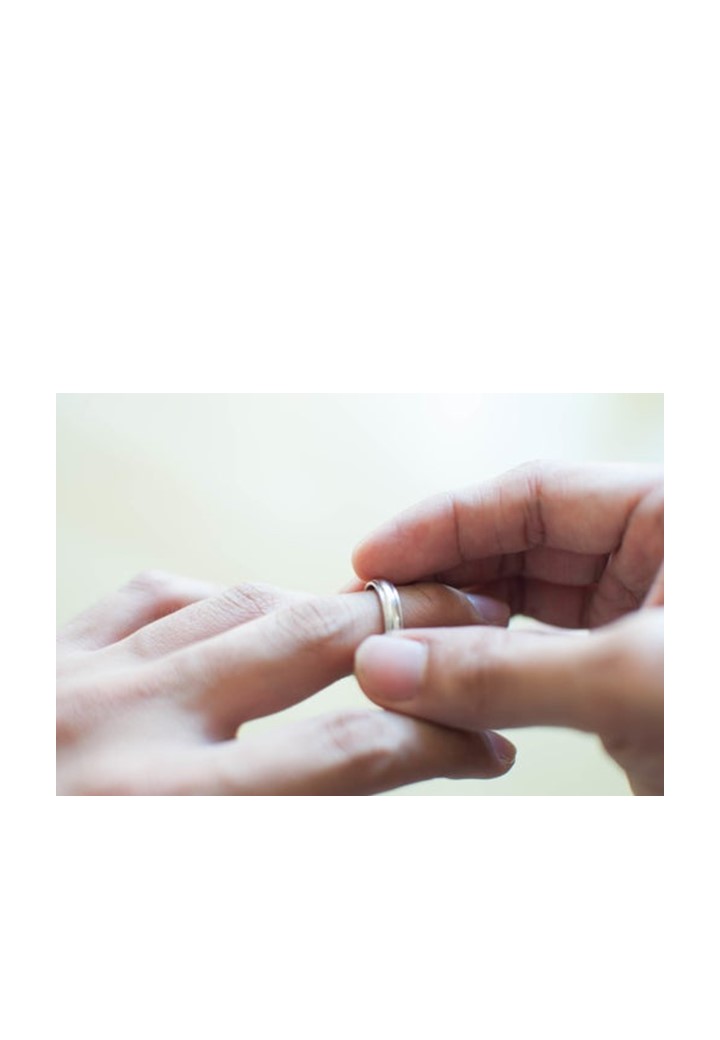
Foundation for Lasting Relationship

Inspiring Human Connection That Matters

  • When Independence Meets Intimacy: Balancing Autonomy and Togetherness

    Healthy relationships are built on a dynamic balance between two powerful human needs—the desire for connection and the desire for independence. While intimacy invites closeness, support, and shared experiences, autonomy sustains personal identity, growth, and self-respect. When these two forces meet, they create a delicate dance that every couple must learn to navigate. The ability to maintain individuality while nurturing a deep emotional bond is one of the most essential, yet challenging, skills in long-term relationships.

    In the early stages of love, connection often takes center stage. Partners naturally spend more time together, share new experiences, and build emotional closeness. But as the relationship matures, each person’s need for personal space and independence resurfaces. This is not a sign of disinterest or distance—it is a natural and healthy part of being an individual. Problems arise only when autonomy is misunderstood as withdrawal, or when togetherness becomes suffocating.

    Balancing independence and intimacy begins with understanding that both partners bring unique identities into the relationship. Each person has personal goals, hobbies, friendships, values, and dreams that existed long before the partnership began. Nurturing these aspects of self ensures that the relationship grows with two whole individuals, not two halves seeking completion. When partners maintain their own passions and sense of self, they bring fresh energy, insights, and fulfillment back into the relationship.

    Communication is the foundation of this balance. Openly expressing the need for alone time or personal pursuits prevents misunderstandings. Instead of saying, “I need space,” in a way that might sound distant, partners can frame it as, “I need some time to recharge so I can show up fully for us.” This shifts the focus from separation to self-care, building trust and understanding.

    Equally important is cherishing the moments of connection. Intimacy does not only mean physical closeness—it includes emotional sharing, shared rituals, deep conversations, laughter, support during challenges, and the comfort of companionship. When partners intentionally create meaningful moments together, they strengthen their bond, ensuring that independence does not drift into distance.

    The dance between autonomy and togetherness also requires respect for boundaries. Healthy relationships acknowledge that personal limits, emotional needs, and differing preferences are not threats—they are opportunities to grow. Respecting boundaries shows love, while ignoring them breeds resentment. When partners honor each other’s rhythms, the relationship becomes a safe space for both freedom and closeness.

    Furthermore, embracing individuality enhances emotional security. When each partner feels free to be themselves, they experience less anxiety, need less validation, and feel more confident within the relationship. This security strengthens intimacy, making closeness a choice rather than an obligation.

    Ultimately, the most resilient relationships are those where two independent individuals choose to walk side by side—not out of dependence but out of genuine connection. When independence meets intimacy with mutual respect, open communication, and intentional love, partnerships flourish. The dance becomes harmonious—a blend of “I,” “you,” and “we,” each part enriching the other.

  •  Walking Away from the World I Built Around You

    For a long time, I lived in a world where only you existed. Every thought, every heartbeat, and every dream of mine revolved around you. I waited, hoped, and prayed with an unshakable belief that what I felt for you was real, rare, and worth every ounce of my soul. In the silence of my nights, I dreamt of you — not as a fantasy, but as the only reality I ever wanted to live in.

    Within me grew a love so deep and rare that it felt sacred — a woman’s spirit entirely devoted to one soul. That spirit belonged to me, and I had offered it to you with no hesitation, no second thought. I knew you — perhaps even more than you knew yourself. I understood your fears, your pride, and the unspoken emptiness you tried to hide behind your smile.

    As a woman in love, I crossed boundaries that I had never dared to cross for anyone else. With all honesty, I can swear that no one else had ever seen the side of me that I revealed to you. You awakened something within me that I did not know existed — a tenderness mixed with fire, strength interlaced with surrender.

    Yet, the silence of your response echoed louder than any rejection. I began to see your indifference, your distance, and your hesitation. I watched, over and over, as you entertained other faces, other stories, other fleeting connections — all while I stayed still, believing, hoping, and breaking silently.

    I am not foolish enough to remain quiet forever. I have witnessed enough to understand that love cannot survive in one heart alone. I have seen reflections of betrayal in your eyes, sensed the fading warmth in your words. And though you never said it, I knew — I was no longer the one you looked for.

    Now I know that one day you will search for me in someone else — and that will be your punishment, not mine. You will feel the emptiness that once consumed me, and in that moment, you will understand what it means to lose someone who loved you beyond measure.

    But I will not hate you. Even in my pain, I refuse to let bitterness define me. My love was pure, my intentions true. From this moment onward, every step I take will be toward forgetting you — not with anger, but with peace.

    I am leaving behind the world I built around you — a world made of fragile dreams and unkept promises. Ahead lies a new world, one shaped by strength, healing, and self-respect. The pain you caused has become my teacher, my guide, and my map toward freedom.

    Through this heartbreak, I have found a strange kind of beauty — the beauty of letting go.

  • When Trust Is a Performance: The Lipstick That Broke the Mirror

    In relationships, trust is often spoken of as a foundation. But what happens when that foundation becomes a stage—where love is rehearsed, loyalty is tested, and betrayal wears makeup?

    This is the story of Enaya and Nishan. On the surface, they were a couple navigating the usual strains of modern life: long work hours, emotional distance, and the creeping suspicion that something was missing. But beneath that surface, a darker drama was unfolding—one not of infidelity, but of manipulation.

    It began with a message. A simple text from Nishan’s secretary, Anjali: “Thanks for tonight. You were amazing.” Enaya saw it. She knew it wasn’t romantic. But she didn’t confront him with clarity. Instead, she chose performance. She cried. She accused. She planted a lipstick stain on his shirt. She staged a breakdown and left the house—not for her sister’s, as she claimed, but for a secret rendezvous with her lover, Sameera.

    For three days, Nishan believed she was shattered. In truth, she was sipping wine on a high-rise balcony, basking in the success of her deception. She had played her part well. But she underestimated her audience.

    Nishan had seen through the act. Quietly, he had gathered evidence—photos, recordings, messages. When Enaya returned, expecting reconciliation, she was met not with forgiveness, but with a divorce petition and a folder full of truth.

    The lipstick she had used to frame him became the symbol of her undoing. Her performance, once so convincing, collapsed under the weight of reality. And Nishan, once the accused, stood as the quiet witness to a betrayal that went far beyond romance—it was a betrayal of dignity, of emotional safety, of the very idea of partnership.

    This story isn’t just about infidelity. It’s about the games people play when they stop believing in honesty. It’s about how suspicion can be weaponized, how guilt can be manufactured, and how love—when turned into theatre—can leave both actors broken.

    So what do we learn?

    – Not all betrayal is physical. Emotional manipulation can be just as devastating.

    – When communication fails, performance begins—and someone always gets hurt.

    – Trust isn’t just about believing someone. It’s about being willing to listen before you accuse.

    – If you feel the need to test your partner, ask yourself: is this love, or control?

    In the end, Enaya didn’t lose Nishan because of Anjali. She lost him because she chose drama over dialogue, deception over vulnerability.

    And Nishan? He didn’t just lose a partner. He lost the illusion—and gained clarity.

  • When a Woman Asks, “Can You Feel Me?”

    “Can you feel me…?”

    It was one of those moments when closeness blurred the line between body and soul, when desire floated in the air like an unspoken promise.

    “More than anything else…” I whispered back, softly—like a vow meant for the heart alone.

    That simple question, asked in the quiet of intimacy, carries a weight far beyond the physical. When a woman asks, Can you feel me? she isn’t seeking confirmation of touch. She is reaching for reassurance that she is seen, understood, and valued. She’s asking if he feels her essence, her presence, her worth—not just her body.

    For many men, physical intimacy can be the fulfillment of desire. But for many women, it is often something deeper—a search for connection. She longs to be cherished, not just held. To be looked at with tenderness. To be touched in a way that tells her she is more than a moment—she is the moment.

    When a man understands this, when he looks at her and truly sees her—not just a woman, but his woman—something sacred unfolds. His gaze lingers, his touch softens, and his silence speaks louder than words. In that pause before a kiss, she reads every unspoken promise in his eyes. That is what she hopes for: not just to be touched, but to be felt deeply, completely, and irreplaceably.

    In those moments, she lets go of every guard. Her embrace isn’t about possession but belonging. A kiss begins gently, like a secret, and grows into something consuming—a journey that begins with breath and ends in surrender.

    What’s most beautiful is that imperfections fade here. The little mismatches in their lives turn into rhythm, not friction. Their differences no longer divide but bind, fitting together like puzzle pieces shaped by love.

    The truth is, love doesn’t have to be flawless to be real. Perfection is not what makes it sacred. What matters is the spark—that invisible thread only they can feel. When two people reach that place, they are no longer separate souls. They become one heartbeat, one silent understanding, one fire that burns without words.

  • What Makes a Woman Radiant?

    Radiance is not merely about outward beauty, fashionable clothes, or makeup. A woman’s true glow shines from within and reflects through her smile, her eyes, her gestures, and her presence. Many wonder what makes certain women appear so effortlessly bright and captivating. The answer lies not in material possessions but in inner qualities and life-giving attitudes. Let us explore eight profound reasons behind a woman’s glow.

    1. Self-Love

    A woman begins to shine when she learns to love herself. Self-love is not selfishness; it is the recognition that she is worthy of care, respect, and kindness. This inner acceptance creates a light that radiates through her smile, her voice, her demeanor, and her eyes. When she values herself, she carries an aura of confidence that no one can dim.

    2. Forgiveness

    Bitterness darkens the soul, but forgiveness liberates and brightens it. When a woman refuses to give power to those who hurt her, she chooses freedom. Letting go of grudges allows her heart to breathe again, and that peace naturally glows outward. Forgiveness transforms wounds into wisdom and makes her presence soothing to others.

    3. Awareness of Purpose

    Every woman is born with purpose. When she discovers that her life is not a mistake but a meaningful journey, she radiates differently. She recognizes herself as a complex, beautiful creation, and this awareness fills her with confidence and dignity. Purpose gives her steps direction and her life significance, allowing her to shine even in challenging times.

    4. Progress in Life

    A woman glows when she sees herself growing. She may not achieve all her goals by a specific date, but any step forward in career, education, business, motherhood, relationships, or spirituality brings joy. Celebrating small victories empowers her to keep moving. Progress, not perfection, is what makes her spirit luminous.

    5. The Love of Her Partner

    It is easy to spot a woman who is truly loved. When her partner protects her heart and treats her with genuine care, she flourishes. A secure and loving relationship brings her serenity, and that calmness shines through her smile. Love has the power to soften her soul and illuminate her entire being.

    6. A Healthy Relationship with God

    Spending time in prayer and nurturing her connection with God adds unmatched radiance. The presence of the divine strengthens her spirit and fills her with grace. A woman anchored in faith carries a soft, gentle strength that others cannot ignore. Her glow is a reflection of her inner peace.

    7. Sweet Romance

    Playful and affectionate moments with her spouse keep her heart alive. When her partner notices her, values her, and expresses love, she cannot help but shine. Romance adds sweetness to life, reminding her that she is cherished. This joy lights up her face and brightens her environment.

    8. Adding Value to Others

    True radiance is not about self-indulgence but about enriching the lives of others. When a woman helps someone smile, offers support, or touches another soul without expecting anything in return, she glows from the inside out. Going to bed knowing she made someone’s day better gives her unmatched contentment.

    Conclusion

    A woman’s glow is not found in external beauty alone but in love, forgiveness, faith, purpose, and kindness. When she chooses to nurture her inner world and uplift those around her, she becomes a light to herself and to everyone she meets.

  • My Changed Perspective on the Permanence of Marriage

    For much of my life, I believed that marriage was essentially a human contract—a mutual understanding between two people who agreed to share their lives together. In my mind, the essence of marriage was affection, companionship, and mutual benefit. If those qualities disappeared, or if difficulties arose that seemed insurmountable, I once thought separation or divorce was simply a natural outcome. After all, if two people were no longer happy, what was the point of continuing?

    This perspective shifted profoundly when I began reflecting more deeply on the meaning of the words found in Scripture: “What God has joined together, let no man separate.” At first, I had heard those words in weddings without giving them much thought, but gradually I came to see that they contain a truth far greater than a ceremonial phrase. They speak to the very nature of marriage—not as a contract written by human hands, but as a covenant designed and blessed by God Himself.

    Understanding this changed my outlook entirely. I began to realize that marriage is not something people enter into lightly or exit from easily. It is sacred. When a couple commits themselves to one another in the presence of God, their union is more than an agreement; it is a divine joining. If God is the one who brings two souls together, then it is not for human weakness, pride, or circumstance to decide when that bond should end.

    This change in perspective also reshaped how I view challenges within relationships. Where once I saw arguments, disappointments, or even long seasons of difficulty as reasons to doubt the validity of a marriage, I now see them as part of the covenantal journey. Love is not sustained merely by fleeting feelings of passion or harmony, but by a conscious choice to remain faithful, to forgive, and to keep nurturing the bond that God has established. Just as storms test the strength of a tree’s roots, trials test the depth of marital commitment.

    I have also come to recognize the strength and dignity of couples who embody this belief—those who stand by one another through illness, financial struggle, or profound differences. They reflect something divine, a love that perseveres against the odds and refuses to be undone by human frailty. Their example reminds me that true commitment is not about convenience but about covenant.

    In the end, the issue I have changed my mind about is the permanence of marriage. I no longer view it as something temporary, fragile, or conditional upon happiness alone. Instead, I see it as a lifelong journey of grace, sacrifice, and faith. The words “what God has joined together” now remind me that marriage is not ours to dissolve but ours to protect and honor. This realization has given me a deeper respect not only for the institution of marriage but also for the God who designed it as a reflection of His enduring love for us.

  • Why Every Bond Has Its Season

    In every relationship—whether romantic, familial, or friendly—human beings seek something in return. Sometimes it’s a tangible benefit, other times it’s joy, comfort, or emotional fulfillment. That fulfillment may be physical, like companionship or security, or spiritual, like peace, meaning, or emotional resonance.

    Most people form bonds driven by material needs. They seek love, stability, money, beauty, or status. And for a time, these things satisfy. But beyond a certain spiritual threshold, material possessions—cars, houses, wealth—lose their power to bring happiness. At that point, even fear, shame, or risk become irrelevant. People begin to search for a different kind of joy—a fantasy that transcends the physical. What they’re really seeking is spiritual contentment.

    It’s easy to satisfy someone materially. But to fulfill someone spiritually—to touch their soul, to make them feel truly seen and valued—is far more difficult. And yet, every relationship lasts only as long as it continues to offer either material or spiritual satisfaction.

    Whether it’s a friend, a lover, a sibling, or a partner, people stay with us only while the joy they seek still lives within the bond. That joy may come from wealth, power, attraction, beauty, knowledge, love, warmth, responsibility, or even unforgettable memories. But once the fantasy fades—once the joy is gone—the bond begins to dissolve. People drift apart. Or they disappear entirely.

    And that’s normal.

    No one visits an empty shop. No one stays where there’s nothing left to gain. The same applies to relationships. People remain only while something meaningful exists between them. It may sound harsh or sad, but it’s the truth: every bond is breakable.

    Ultimately, relationships survive only as long as we hold something within us that others need or cherish. When that need disappears, no amount of pleading or clinging can hold someone back. You have to let them go.

    And it’s not just about others. When we no longer find what we need in someone, we too begin to let go—sometimes unconsciously, sometimes without planning. But it happens. That’s the nature of connection.

    Every bond has its boundary—either physical or spiritual. There’s no such thing as a limitless, unconditional attachment. Even if we say “I love you endlessly,” the truth is, every relationship is shaped by conditions, by needs, by mutual fulfillment.

    So when the fantasy ends, when the joy fades, blaming each other for changing is pointless. People evolve. Needs shift. Trying to force someone to stay when their heart has moved on is not love—it’s resistance.

    In the end, love, friendship, and intimacy are not eternal flames. They are conscious choices, sustained by emotional satisfaction and mutual benefit. They are not infinite—they are finite, precious, and deeply human.

    And that’s okay. 💜

  • When Love Finds Its Safest Place

    One of the deepest desires of a woman in love is to rest upon the body of the man she truly cherishes. It is not merely a gesture of physical closeness, but a silent longing to forget the world for a moment and experience a freedom that cannot be felt anywhere else. In that instant, she feels there exists a unique safety—a protective circle no one else can enter. Her heart quietly assures her, “Here, no harm can touch me.”

    A man, too, finds profound meaning in such moments. For him, it is not about the weight of her body pressing against him, but about the unspoken trust she places in him. Without asking permission, she simply lies on him—an act that no man in love resists. In fact, he welcomes it, for in that small, intimate action, he hears the language of her heart saying, “I need you, I love you, and I belong here.”

    This closeness, though wordless, is a conversation of hearts. The woman feels she has found the safest place on earth, a space where she can let go of her fears, where her soul can finally rest. The man, in turn, realizes how deeply she loves him, and how much she longs to be held and cared for. He senses that she is not shy, not hesitant, but completely open to him. That openness is not only an expression of love but also of absolute trust.

    In moments like these, both hearts speak silently to each other. The woman’s heart whispers, “You are my safest place in this world.” The man’s heart responds, “Stay here for as long as you wish, for you are my peace.”

    Love, at its core, is not only about romance, passion, or desire. It is also about creating a sanctuary within each other. The world outside may be loud, harsh, or unforgiving, but when two people find comfort in each other’s presence, it becomes a refuge unlike any other.

    For a woman, laying her head and body on her lover is more than a romantic gesture; it is a declaration that she feels safe enough to be vulnerable. For a man, allowing her to rest upon him without hesitation is more than acceptance—it is a promise that he will protect that trust, that he will never let her feel unsafe in his embrace.

    This exchange, though simple in outward form, is profound in meaning. It shows how love is often communicated not through words but through gestures—small acts that reveal the depth of affection, the comfort of familiarity, and the beauty of surrender.

    Ultimately, love is about finding that one person with whom you can forget the world and still feel whole. For a woman, it may be resting on the chest of the man she loves. For a man, it may be holding her and knowing that, in his arms, she has found her home.

  • The Eternal Power of Showing Love

    If you truly love someone, don’t just hold that love in your heart—let it show. Love is not meant to be hidden; it is meant to be lived, expressed, and felt by the one who receives it. Far too often, people suffer in silence not because love is absent, but because they cannot feel it in the words or actions of the one they hold closest. A lack of visible affection creates doubts, insecurities, and loneliness, even within relationships built on deep attachment.

    In the fast-paced journey of life—chasing goals, fulfilling responsibilities, and battling personal struggles—it is easy to forget how important it is to make your loved one feel cherished. Stress and pressure can make you emotionally unavailable, but that is when love matters most. The greatest mistake one can make is neglecting the person they claim to love, allowing them to feel unseen and unvalued.

    True love is never about material possessions. A person who is genuinely connected to you doesn’t crave your wealth, your status, or your gifts. What they long for is the comfort of your presence, the assurance of your attention, and the healing power of your affection. Love, at its core, is emotional nourishment—it is what makes people feel safe, worthy, and alive.

    The feeling of being loved is not something everyone experiences in the same way. It is rare, precious, and deeply personal. When you find someone who awakens that sense of belonging and tenderness in your heart, it becomes your responsibility to protect it. Show loyalty, offer trust, and give them the undivided attention they deserve. Let your actions be the reflection of the love you carry inside, because unexpressed love often feels like unlived love.

    Many lives are broken, not because of a lack of love, but because love was never expressed. When people are deprived of affection, they wither emotionally. They may continue living outwardly—working, smiling, fulfilling daily routines—but inside, they carry a void. A relationship without affection becomes a hollow shell, a stage where life is merely acted out instead of fully lived.

    So, if you already have someone who truly matters to you, guard that bond carefully. Do not take it for granted, because love is both delicate and powerful—it can nurture, but it can also fade when neglected. If you are still waiting for that special person, keep searching with hope and patience. The right connection will come, and when it does, you must embrace it wholeheartedly.

    Remember this: material things you collect in life are temporary, fading away with time. But the love you give and the love you feel for another person—when it is genuine—becomes timeless. It imprints itself on the heart and remains a lasting treasure.

    At the end of it all, it is not wealth or possessions that define a fulfilled life, but the depth of love shared and the joy of knowing that someone felt truly loved because of you.

  • Why Do Married Men Turn to Masturbation Even When They Have a Wife?

    Sexual intimacy within marriage is meant to be a beautiful and affirming experience. It strengthens love, nurtures closeness, and deepens the bond between husband and wife. Yet, many women find themselves confused, hurt, or even rejected when their husbands avoid intimacy and instead secretly turn to masturbation. This behavior, while not always harmful in itself, can become a serious issue when it replaces the closeness that marriage promises.

    Masturbation is a natural and healthy act even for married men, but when it becomes a substitute for intimacy with one’s spouse, deeper psychological, emotional, and relational issues may be at play. Let’s explore the main reasons behind this tendency.

    1. Convenience and Lack of Pressure

    One of the biggest reasons men resort to masturbation is the convenience and immediacy it offers. Unlike sex with a partner, it requires little effort, can be over quickly, and provides instant release.

    Quick relief: When tired, stressed, or short on time, masturbation offers an easy escape.

    No performance anxiety: Sexual intimacy with a partner may bring pressure—lasting long enough, satisfying one’s wife, or maintaining an erection. Masturbation eliminates this anxiety because the man is fully in control.

    2. Emotional Disconnect

    Often the root problem isn’t physical but emotional.

    Relationship conflicts: Unresolved arguments, lack of affection, or underlying resentment can reduce a husband’s desire for his wife. Since sex is not just a physical act but also an emotional connection, distance in feelings leads to distance in the bedroom.

    Fear of rejection: If a man has been turned down multiple times in the past, he may avoid the risk of rejection altogether. Masturbation feels safer than facing disappointment.

    3. Differences in Sexual Desires

    Married couples don’t always share the same libido.

    Mismatch in frequency: One partner may desire sex more often than the other. For example, a husband may want intimacy daily, while his wife may be content with once a week. Masturbation becomes an outlet for unmet desires.

    Unfulfilled fantasies: If the couple’s sexual life feels monotonous or if the husband’s specific fantasies remain unexplored, he may turn to self-pleasure as a substitute.

    4. Pornography and Addiction

    In today’s digital age, pornography plays a significant role.

    Impact of porn: Constant exposure rewires the brain, creating cravings for variety and instant stimulation. Real-life intimacy may feel less exciting compared to the exaggerated world of porn.

    Addictive behavior: For some men, masturbation is less about desire and more about habit. It becomes a coping mechanism for stress, boredom, or loneliness, reducing interest in marital intimacy.

    The Way Forward: Open Communication

    For wives, discovering this pattern can trigger feelings of inadequacy, insecurity, or rejection. However, the solution lies not in blame but in dialogue. Honest and gentle communication is essential. Instead of asking, “Don’t you love me anymore?” it helps to say, “I miss our closeness. Can we talk about it?”

    Sometimes, professional guidance from a sexual or relationship therapist can help couples rebuild intimacy. Marriage thrives when physical pleasure is combined with emotional connection. Masturbation itself is not the enemy—but when it becomes a replacement for intimacy, it signals a need for deeper understanding, healing, and reconnection.

    So the real question is: are you willing to openly talk with your partner about these hidden struggles, and take steps together to protect the intimacy of your relationship?