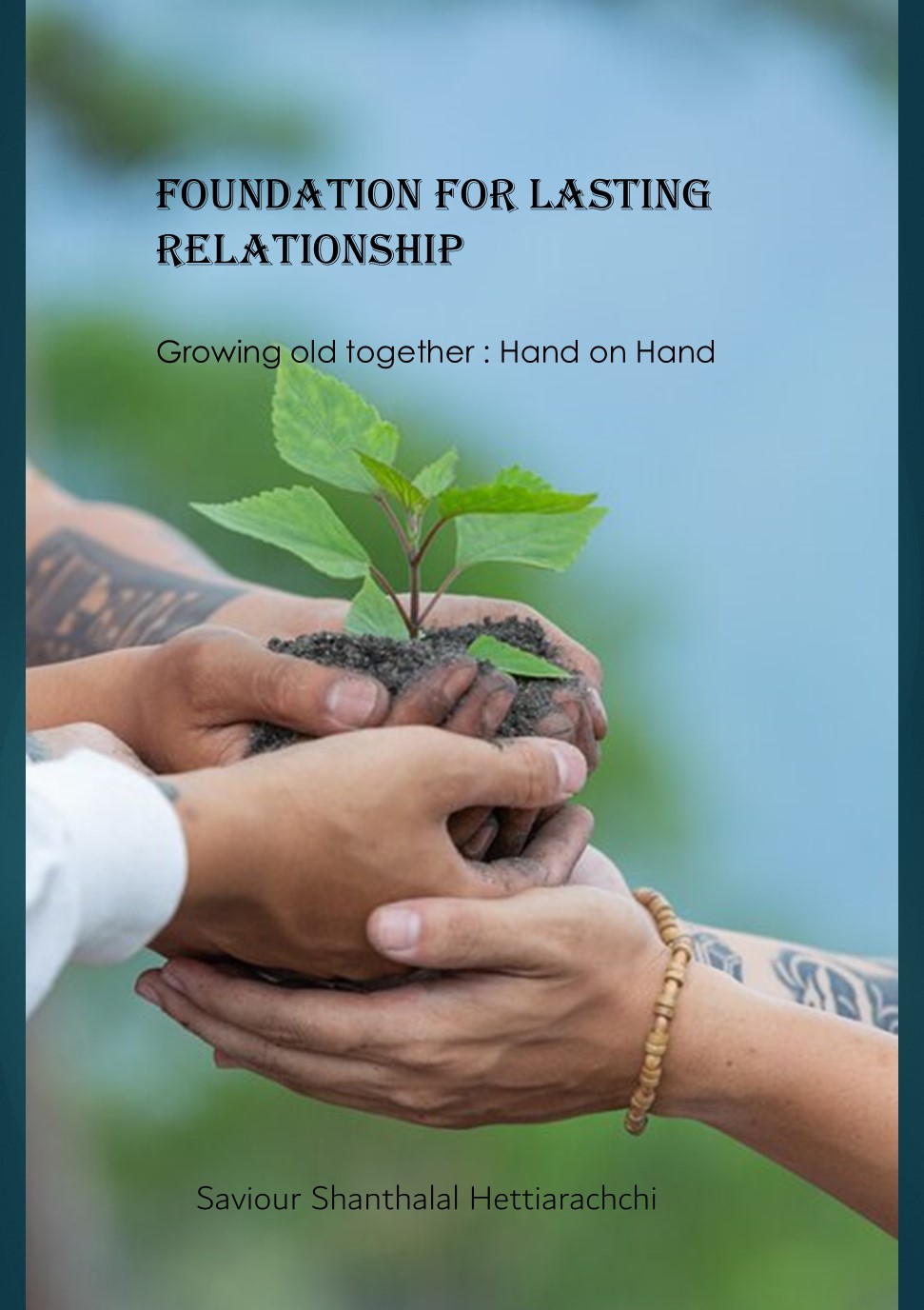
Foundation for Lasting Relationship

Inspiring Human Connection That Matters

  • The role of therapy in recovering from an affair

    Discovering infidelity within a relationship can feel like a gut-wrenching earthquake, leaving behind a trail of broken trust and emotional wreckage. But amidst the pain and chaos, there is hope for healing. Enter therapy – the unsung hero in the realm of affair recovery. With its arsenal of tools and strategies, therapy offers couples an opportunity to navigate the treacherous path towards rebuilding their shattered bond.

    In this article, we will delve into the pivotal role that therapy plays in helping individuals and couples heal from affairs, providing insights into how this professional support can guide them towards forgiveness, understanding, and ultimately renewed love.

    The impact of infidelity on individuals and relationships

    Infidelity can have significant and lasting impacts on individuals and relationships. The emotional pain and betrayal that accompanies cheating can lead to a loss of trust, self-esteem issues, and deep-seated resentment. Individuals who have been cheated on may struggle with feelings of inadequacy and question their own worthiness. Relationships that experience infidelity often face challenges in rebuilding trust and repairing the damage caused by the affair. It is crucial for both parties involved to engage in open communication, seek professional help if needed, and be willing to work towards healing together. By acknowledging the consequences of infidelity and taking proactive steps to address them, individuals and couples can navigate this difficult terrain with hope for reconciliation and stronger relationships moving forward.

    Understanding the emotional aftermath of an affair

    Understanding the emotional aftermath of an affair is crucial for all parties involved. The betrayed spouse may experience a range of emotions including anger, hurt, and betrayal. The unfaithful partner often grapples with guilt, shame, and remorse. Both individuals may also face challenges in rebuilding trust and intimacy in their relationship. It is important to acknowledge and validate these emotions, seek professional help if needed, and engage in open and honest communication to navigate through this difficult time.

    By addressing the emotional aftermath of an affair head-on, couples can work towards healing and creating a stronger foundation for their relationship moving forward. Remember, it takes effort from both partners to rebuild trust and create a healthier future together.

    The benefits of individual therapy for healing

    Individual therapy offers a wide range of benefits for healing and personal growth. Through the one-on-one interaction with a therapist, individuals are able to explore their thoughts, feelings, and experiences in a safe and confidential environment. This can lead to increased self-awareness, insight, and understanding of oneself. Additionally, therapy provides effective tools and strategies to cope with challenges and develop healthier ways of thinking and behaving. Moreover, the therapeutic relationship itself can be a source of support and validation, fostering feelings of trust and acceptance. Overall, individual therapy has proven to be an invaluable resource for those seeking healing and personal transformation. If you are struggling with emotional or psychological issues, consider reaching out to a therapist who can help guide you on your journey towards well

    Couples therapy: rebuilding trust and communication

    Couples therapy can be a powerful tool for rebuilding trust and improving communication within a relationship. It provides a safe and supportive environment for couples to address their issues and work towards resolution. Through effective communication techniques and trust-building exercises, couples can begin to repair the damage caused by breaches of trust or breakdowns in communication. However, it is important to remember that therapy alone is not a magic solution; both partners must be committed to putting in the necessary effort and making positive changes.

    By seeking professional help and being willing to learn and grow together, couples have the opportunity to rebuild the trust and strengthen their bond. So, if you find yourself struggling with trust or communication issues in your relationship, consider reaching out to a couples’ therapist who can guide you.

    Group therapy: finding support and validation

    Group therapy offers a unique and powerful opportunity for individuals to find support and validation. By connecting with others who have similar experiences, individuals can feel less alone and gain a sense of belonging. The sharing of stories, emotions, and coping strategies in a safe and non-judgmental environment can provide immense comfort and understanding. Group therapy also allows individuals to witness the growth and progress of others, which can inspire hope and motivation for their own healing journey. If you are seeking support or validation, consider exploring group therapy options in your community – you may be pleasantly surprised by the transformative power of this form of therapeutic intervention.

    The importance of self-care during recovery

    Self-care is a crucial component of the recovery process. Taking care of oneself mentally, emotionally, and physically can greatly contribute to overall well-being and improve the chances of successful recovery. It is important to prioritize self-care activities such as exercise, healthy eating, relaxation techniques, and engaging in hobbies or activities that bring joy and fulfillment. By making self-care a priority, individuals in recovery can build resilience, reduce stress levels, and enhance their ability to cope with challenges that may arise. So, let us remember the importance of self-care during recovery and commit ourselves to practicing it regularly for a healthier and happier future.

    How therapy can help individuals and couples recover from infidelity

    Therapy can play a crucial role in helping individuals and couples navigate the difficult path of recovering from infidelity. While the aftermath of cheating is undoubtedly painful and often traumatic, therapy offers a safe space for healing and growth.

    One significant benefit is that therapists provide unbiased support and guidance as they help clients explore their emotions, communicate effectively, and rebuild trust.


    In individual therapy sessions, therapists work with those who have been cheated on to address the intense feelings of betrayal, sadness, anger, and self-doubt that frequently arise after infidelity. By encouraging clients to express themselves openly, therapists can assist them in processing these emotions while also helping them develop coping mechanisms to manage self-esteem issues or anxiety. In couples therapy sessions, therapists facilitate communication between partners to create a supportive environment where both parties feel heard and understood. Through structured exercises and dialogue guidelines, couples can safely discuss the underlying issues that led to infidelity in order to rebuild trust and strengthen their relationship moving forward.

    Many people may shy away from seeking therapy due to stigma or a belief that it won’t be beneficial. However, choosing this path can offer transformative results by providing individuals and couples with new perspectives on themselves and their relationships. With the guidance of a skilled therapist who specializes in infidelity recovery, individuals can gain insight into their personal motivations and patterns while learning how to navigate feelings such as guilt or shame constructively.

    Couples can discover deeper levels of forgiveness, develop effective communication skills for future conflicts beyond infidelity, ultimately creating stronger bonds based

    Forgiveness, rebuilding trust, and moving forward after an affair

    So you’ve discovered that your partner had an affair. The world as you know it has been shattered, and you’re left wondering if forgiveness is even possible.

    While the initial shock and pain may feel unsurmountable, rebuilding trust and moving forward after an affair is not impossible—it just takes time and deliberate effort.

    Firstly, forgiveness doesn’t mean forgetting what happened or condoning the betrayal; it means releasing the anger and resentment that hold you captive. By choosing to forgive, you are freeing yourself from the emotional burden that hinders healing. However, forgiveness should never be rushed or forced—it’s a personal journey that requires introspection, self-care, and support from loved ones.

    Rebuilding trust after an affair may seem like an impossible task, but it’s crucial for any chance of moving forward. Trust cannot be instantly restored; instead, it must be earned over time through consistent actions and open communication. Both partners must commit to rebuilding trust by being transparent about their feelings, setting boundaries within the relationship, and practicing patience and empathy towards one another. It won’t be easy, but with genuine remorse from the unfaithful partner and a willingness to work together as a team, no obstacle is insurmountable when rebuilding trust after infidelity

    In conclusion, therapy plays a crucial role in the process of recovering from an affair. It provides a safe space for both partners to express their emotions, heal from the pain, and rebuild trust. Through therapy, individuals can gain insights into the underlying issues that contributed to the affair and work towards resolving them. The guidance and support of a therapist can help couples navigate through difficult conversations, learn effective communication skills, and develop strategies to prevent future infidelity. If you or your partner have been affected by an affair, consider seeking therapy as an important step towards healing and rebuilding your relationship.

  • Reviewing the complexities of open relationships

    This is a topic that has been gaining attention in recent years. As society progresses, people are beginning to explore alternative forms of relationships that challenge traditional norms. Open relationships are one such form of relationship that has become increasingly popular. In an open relationship, partners are free to engage in sexual and/or romantic relationships with other people while still being committed to each other emotionally and romantically.

    To begin with, we will define what open relationships are and how they differ from other types of relationships. We will also examine some of the benefits and drawbacks of open relationships.

    From there, we will delve into some of the complexities of open relationships, such as navigating jealousy, establishing boundaries, and managing multiple partners.

    We will explore some ethical considerations involved in open relationships, such as issues of consent, honesty, and communication.

    What is open relationship

    Open relationships are a type of relationship where partners are free to engage in sexual and/or romantic relationships with other people while still being committed to each other emotionally and romantically. They differ from traditional monogamous relationships in that they allow for more freedom and flexibility in terms of sexual and romantic exploration.

    The benefits of open relationships include increased sexual satisfaction, the ability to explore different types of relationships, and the opportunity to develop deeper emotional connections with multiple partners. However, open relationships can also be complex and require a great deal of communication, trust, and boundary-setting. Some drawbacks of open relationships include feelings of jealousy, difficulty managing multiple partners, and the potential for miscommunication or misunderstandings.

    The open relationships are a unique type of relationship that offer both benefits and drawbacks. They require a great deal of communication, trust, and boundary-setting to be successful. In the next subtopics, we will delve into some of the complexities of open relationships such as navigating jealousy, establishing boundaries, managing multiple partners, and exploring ethical considerations.


    Navigating jealousy

    Jealousy is a common emotion that can arise in any relationship, including open relationships. In an open relationship, jealousy can be particularly challenging to navigate because partners are free to engage in sexual and/or romantic relationships with other people. However, there are strategies that can help manage feelings of jealousy and maintain healthy open relationships.

    One strategy for managing jealousy is to communicate openly and honestly with partners about your feelings. This can help build trust and understanding between partners and prevent misunderstandings. It’s important to express your feelings in a non-judgmental way and to listen actively to your partner’s perspective.

    Another strategy is to develop coping mechanisms for dealing with jealousy when it arises. This could include practicing self-care, such as engaging in activities that make you feel good about yourself, or seeking support from friends or a therapist. It’s also important to avoid comparing yourself to your partner’s other partners and to focus on building your own unique relationship with your partner.

    Establishing boundaries is another important strategy for managing jealousy in an open relationship. This could include setting limits on the types of relationships or activities that partners engage in with others, or establishing rules around communication and disclosure. It’s important to communicate these boundaries clearly and to respect the boundaries set by others. Managing jealousy in an open relationship requires open communication, trust, and boundary-setting. By developing coping mechanisms, establishing clear boundaries, and communicating openly with partners, it’s possible to maintain healthy and fulfilling open relationship.

    Establishing boundaries

    Establishing boundaries is an important aspect of open relationships. Boundaries help partners define what is and isn’t acceptable behaviour within the relationship, and can help prevent misunderstandings and hurt feelings. Here are some strategies for setting and communicating boundaries in an open relationship:

    So setting and communicating boundaries is an important aspect of open relationships. By identifying your own needs and limits, communicating openly with partners, being specific about your boundaries, respecting the boundaries set by others, and revisiting boundaries regularly, it’s possible to maintain healthy and fulfilling open relationships.

    Exploring ethical considerations

    This is an important aspect of open relationships. Ethical considerations involve issues of consent, honesty, and communication. Here are some ethical considerations that you might find interesting: exploring ethical considerations is an important aspect of open relationships.

    By considering issues such as consent, honesty, communication, respect, and safety, partners can maintain healthy and fulfilling open relationships.

    Nuances of open relationships and how to navigate them successfully

    Open relationships are a unique type of relationship that offer both benefits and drawbacks. They require a great deal of communication, trust, and boundary-setting to be successful. Here we discuss some strategies for navigating these challenges and maintaining healthy, fulfilling open relationships.

    We will also examine some of the benefits and drawbacks of open relationships and delve into some of the complexities of open relationships, such as navigating jealousy, establishing boundaries, managing multiple partners, and exploring ethical considerations.

    One strategy for managing jealousy is to communicate openly and honestly with partners about your feelings. This can help build trust and understanding between partners and prevent misunderstandings. It’s important to express your feelings in a non-judgmental way and to listen actively to your partner’s perspective.

    Establishing boundaries is an important aspect of open relationships. Boundaries help partners define what is and isn’t acceptable behaviour within the relationship, and can help prevent misunderstandings and hurt feelings.

    Managing multiple partners is another challenge that comes with open relationships. It’s important to balance the needs of multiple partners while still maintaining healthy relationships with each individual partner.

    Exploring ethical considerations is an important aspect of open relationships. Ethical considerations involve issues of consent, honesty, communication, respect, safety etc… Here are some ethical considerations that you might find interesting:

    1. Consent: Consent is a crucial aspect of any relationship, including open relationships. All partners involved in an open relationship must give their informed consent to the arrangement.
    2. Honesty: Honesty is another important ethical consideration in open relationships. Partners must be honest with each other about their feelings, desires, and intentions.
    3. Communication: Communication is key to maintaining healthy and fulfilling open relationships.
    4. Respect: Respect is an essential ethical consideration in open relationships.
    5. Safety: Safety is another important ethical consideration in open relationships.

    Navigating the nuances of open relationships requires a great deal of communication, trust, boundary-setting etc… By considering issues such as jealousy management strategies, establishing clear boundaries , managing multiple partners effectively , exploring ethical considerations etc., partners can maintain healthy and fulfilling open relationships.

    Jealousy, communication, and setting boundaries

    Jealousy, communication, and setting boundaries are three important aspects of open relationships.

    Jealousy is a common emotion that can arise in any relationship, including open relationships. In an open relationship, jealousy can be particularly challenging to navigate because partners are free to engage in sexual and/or romantic relationships with other people. However, there are strategies that can help manage feelings of jealousy and maintain healthy open relationships.

    One strategy for managing jealousy is to communicate openly and honestly with partners about your feelings. This can help build trust and understanding between partners and prevent misunderstandings. It’s important to express your feelings in a non-judgmental way and to listen actively to your partner’s perspective.

    Communication is key to maintaining healthy and fulfilling open relationships. Partners must communicate openly and honestly with each other about their needs, boundaries, and expectations. This includes discussing issues such as jealousy, insecurity, and other challenges that may arise. Establishing boundaries is an important aspect of open relationships.

    Boundaries help partners define what is and isn’t acceptable behavior within the relationship, and can help prevent misunderstandings and hurt feelings. It’s important to communicate these boundaries clearly and to respect the boundaries set by others.

    In conclusion, open relationships are a unique type of relationship that offer both benefits and drawbacks. They require a great deal of communication, trust, and boundary-setting to be successful.

    Managing jealousy in an open relationship requires open communication, trust, and boundary-setting. By developing coping mechanisms, establishing clear boundaries, and communicating openly with partners, it’s possible to maintain healthy and fulfilling open relationships.

    Establishing boundaries is an important aspect of open relationships. Boundaries help partners define what is and isn’t acceptable behavior within the relationship, and can help prevent misunderstandings and hurt feelings. By identifying your own needs and limits, communicating openly with partners, being specific about your boundaries, respecting the boundaries set by others, and revisiting boundaries regularly, it’s possible to maintain healthy and fulfilling open relationships.

    Managing multiple partners in an open relationship requires effective communication and time management skills. It’s important to balance the needs of multiple partners while still maintaining healthy relationships with each individual partner.

    Exploring ethical considerations is an important aspect of open relationships. Ethical considerations involve issues of consent, honesty, communication, respect, safety etc… By considering issues such as consent, honesty, communication, respect, safety etc., partners can maintain healthy and fulfilling open relationships.

    Whether or not to encourage open relationships is a personal decision that depends on individual values, beliefs, and preferences. It’s important for individuals to consider the potential benefits and drawbacks of open relationships and to make an informed decision based on their own needs and desires.

  • Welcome to Foundation for Lasting Relationship

    Growing Old Together Hand-in-Hand

    In today’s fast-paced world, where technology evolves at lightning speed and daily life often feels rushed and overwhelming, it’s easy to overlook the importance of deep, meaningful relationships. Yet, amidst all the noise, there is a timeless truth: relationships remain the anchors that keep us grounded, fulfilled, and connected to our true selves.

    At Foundation for Lasting Relationship, we believe that strong, enduring bonds are not stumbled upon by luck. They are built intentionally, day by day, through conscious effort, empathy, patience, and love. Whether between life partners, family members, cherished friends, or even within our own hearts, the foundation of lasting relationships is laid with care and nurtured over time.

    This is a space where we honor the journey of growing together, hand-in-hand, through all the seasons of life.


    Our Mission: To Inspire Lasting Connections

    Our mission is simple yet profound:
    To help you nurture relationships that can withstand the test of time.

    Through thoughtful articles, real-life stories, expert advice, and heartfelt reflections, we aim to offer encouragement, tools, and a sense of community. We understand that every relationship faces its unique challenges. Misunderstandings, busy schedules, personal struggles — these hurdles are part of the human experience. Yet, they don’t have to break the bonds we cherish. With guidance, reflection, and intentional action, we can build bridges where there were once walls.

    Here at Foundation for Lasting Relationship, we believe in the beauty of commitment — the kind that sees you through the highs and lows, the ordinary days and extraordinary moments. Growing old together, hand-in-hand, is not just a romantic ideal; it is a testament to resilience, mutual respect, and enduring love.


    What You’ll Discover Here

    At Foundation for Lasting Relationship, we offer a blend of inspiration, education, and heartfelt storytelling designed to support you at every stage of your relationship journey.

    1. Practical Insights and Relationship Tips

    Effective communication, building trust, resolving conflict, nurturing intimacy — these skills are the backbone of any strong relationship. Our posts will share practical advice that you can apply in your daily life to strengthen the connections that matter most.

    2. Real-Life Stories and Experiences

    There is incredible power in shared experiences. By reading about the journeys of others — their challenges, triumphs, and lessons — we gain perspective, hope, and motivation. We will share stories that celebrate perseverance, forgiveness, loyalty, and the quiet, beautiful work of growing together.

    3. Personal Growth and Self-Love

    A lasting relationship begins with a healthy relationship with yourself. We believe that personal growth, self-compassion, and emotional resilience are essential ingredients for strong connections with others. Here, you’ll find reflections and encouragement to support your own self-discovery and healing.

    4. Inspiration and Reflection

    Sometimes what we need most is a gentle reminder — to slow down, to appreciate the people we love, and to be mindful in how we show up for them. Our reflections aim to nourish your spirit and inspire you to cultivate deeper bonds every day.

    5. A Community of Support

    You are not alone on this journey. Whether you are in the bloom of new love, navigating family dynamics, healing from hurt, or simply seeking to strengthen your existing bonds, you are part of a community that values connection and cares about your story.


    Why Lasting Relationships Matter More Than Ever

    In a world where it’s so easy to replace instead of repair, lasting relationships stand as powerful reminders of what it means to truly care, invest, and persevere.

    They teach us to be patient when life is frustrating, forgiving when mistakes are made, and generous when love demands sacrifice. They encourage us to keep growing — not just alongside each other, but because of each other.

    At the end of our lives, it won’t be the number of followers we had or the speed at which we moved through our days that matters most. It will be the hands we held, the memories we built, and the hearts we touched along the way.


    Join Us in Building Foundations That Last

    Foundation for Lasting Relationship is more than just a blog. It’s a heartfelt invitation to pause, reflect, and actively nurture the connections that give our lives meaning.

    If you’re ready to invest in stronger, deeper, and more lasting relationships — whether with a partner, family, friends, or yourself — you’re in the right place.
    Explore our articles, engage with our stories, and take inspiration for your own beautiful journey of connection.

    👉 Subscribe to our newsletter for fresh insights, inspiration, and tools delivered straight to your inbox.
    👉 Follow along as we grow together — hand-in-hand, heart-to-heart.

    Welcome. Your journey toward deeper, lasting connection begins here.