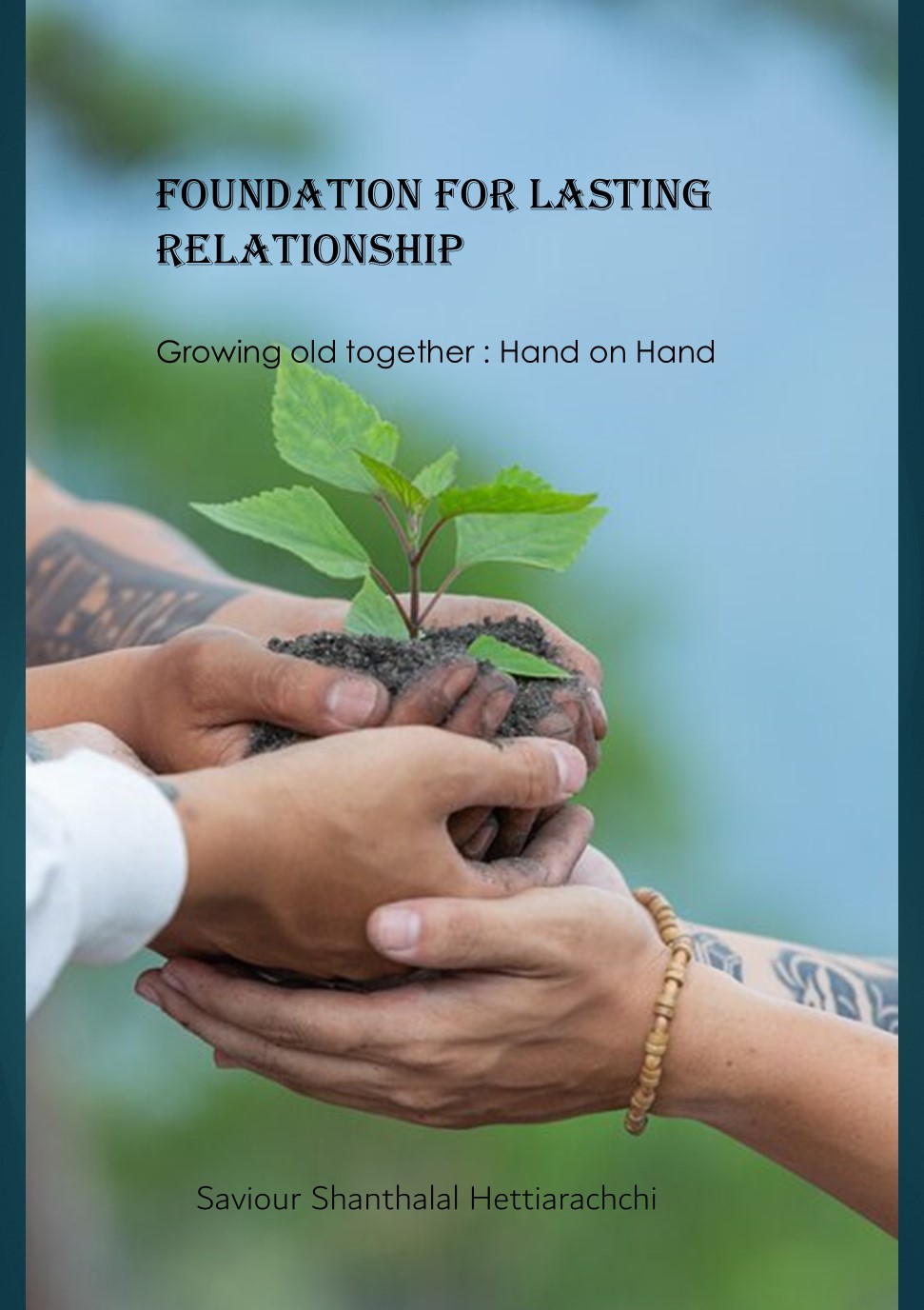
Foundation for Lasting Relationship

Inspiring Human Connection That Matters

  • The Role of Self-Care in Healthy Relationships

    The Role of Self-Care in Building Fulfilling Relationships

    Self-care is often seen as a solitary act, but its influence goes far beyond the individual. In the realm of relationships, self-care is a vital pillar that strengthens connection, intimacy, and emotional well-being. When individuals prioritize their own needs and well-being, they contribute more meaningfully to the health and harmony of their partnerships.

    Understanding Self-Care

    Self-care is a broad and intentional practice aimed at maintaining one’s physical, emotional, and mental balance. Far from being indulgent, it is a commitment to holistic well-being. It includes rest, creative expression, solitude, and activities that fuel purpose and joy. Through these practices, people develop resilience, increase empathy, and establish a stronger connection with themselves—qualities essential for any thriving relationship.

    Recognizing and Honoring Individual Needs

    A healthy relationship, like a well-tended garden, requires attention to each individual’s unique needs. Self-care plays a central role here. When people take time for themselves—whether through solitude, creativity, or reflection—they become more grounded, self-aware, and better equipped to engage in meaningful connections. This practice enriches not just the individual but the relationship, fostering mutual respect and emotional nourishment.

    Building Emotional Resilience

    Emotional resilience, a core aspect of self-care, helps individuals face life’s challenges with strength and poise. It’s about learning not just to recover from hardship but to grow through it. Practices like mindfulness, meditation, and journaling support this journey, offering tools for emotional regulation and self-awareness. These habits create a solid inner foundation, allowing individuals to respond rather than react in times of relational conflict or stress.

    Enhancing Communication and Emotional Intimacy

    Good communication is the foundation of strong relationships, and self-care strengthens this skill by enhancing emotional intelligence. Through self-reflection and introspection, individuals gain clarity about their feelings and needs. This clarity allows them to communicate more authentically and listen more empathetically. When both partners feel heard and respected, trust and intimacy naturally deepen.

    Self-care also equips individuals to navigate conflict with greater patience and compassion. Instead of reacting impulsively, they can pause, reflect, and respond thoughtfully—bridging emotional divides with empathy and respect. As a result, communication becomes a healing and connecting force, rather than a source of stress or disconnection.

    Fostering Empathy and Compassion

    Prioritizing one’s own well-being creates a ripple effect, allowing individuals to extend greater kindness and empathy to others. Through self-care, people become more in touch with their own vulnerability, which fosters a deeper understanding of others’ experiences. They show up in relationships as more supportive, patient, and compassionate partners. Their presence becomes a safe space for their loved ones, and their example inspires others to care for themselves too.

    Balancing Independence and Togetherness

    A key to thriving relationships is the delicate balance between autonomy and closeness. Self-care supports this by helping individuals understand and honor their own interests, passions, and personal space without compromising the partnership. Contrary to the idea that closeness requires self-sacrifice, healthy intimacy grows when both partners are fully themselves.

    When individuals pursue their own growth, they bring renewed energy and insight to their relationship. This dynamic respects each partner’s individuality while celebrating their shared journey, enriching both personal fulfillment and relational depth.

    Setting Boundaries and Asserting Needs

    Establishing personal boundaries is essential for emotional safety and mutual respect. Self-care empowers individuals to define and communicate these boundaries clearly and compassionately. Recognizing one’s limits and values is not selfish—it’s a sign of self-respect and emotional maturity. It creates a framework within which both partners can thrive, ensuring that each person’s needs are acknowledged and met.

    Boundaries help partners navigate differences with empathy and openness. In a relationship grounded in respect, setting limits is not a rejection but an invitation to deeper understanding and connection. Self-care gives individuals the strength and confidence to voice their needs, creating a secure space for both partners to express themselves honestly.

    Conclusion

    Self-care is more than a personal wellness practice—it is the foundation of fulfilling, resilient, and emotionally rich relationships. By nurturing ourselves, we strengthen our capacity to nurture others. We communicate more clearly, love more deeply, and grow together while honoring our individuality. In relationships grounded in self-care, love flows not from dependency but from mutual respect, empathy, and shared growth.

    Prioritizing self-care is a gift not only to oneself but to one’s partner. It’s a daily commitment to show up with presence, compassion, and authenticity. In doing so, we create not only stronger connections but a more compassionate and loving world.

  • Exploring Love Languages and Their Role in Relationships

    1. Introduction to Love Languages

    In the vast landscape of human emotions, love stands as one of the most profound and complex. Dr. Gary Chapman, a renowned relationship counselor and author, introduced the concept of love languages to elucidate how individuals express and interpret love differently. In his seminal book, “The 5 Love Languages: The Secret to Love that Lasts,” Chapman delineates five primary love languages: words of affirmation, acts of service, receiving gifts, quality time, and physical touch. These languages serve as a framework for understanding how people communicate affection and feel loved within relationships.

    2. Identifying Your Love Language

    Self-awareness is the cornerstone of identifying one’s love language. It requires introspection and reflection on past experiences and emotional esponses. Individuals may ask themselves questions such as: What actions or words make me feel most cherished? How do I express love to others? Through this process, individuals can discern their primary love language, whether it be words of affirmation that uplift the spirit, acts of service that alleviate burdens, receiving gifts that symbolize thoughtfulness, quality time that fosters connection, or physical touch that conveys intimacy.

    3. Understanding Your Partner’s Love Language

    While understanding one’s own love language is crucial, comprehending a partner’s love language is equally vital for fostering a thriving relationship. Observing how a partner expresses affection and what actions evoke positive responses offers valuable insights. Effective communication and attentive listening serve as conduits for unraveling a partner’s love language. By asking questions, observing reactions, and being attuned to subtle cues, individuals can gain a deeper understanding of their partner’s emotional needs and preferences.

    4. Speaking Your Partner’s Love Language

    Once armed with the knowledge of a partner’s love language, the next step is to communicate love in ways that resonate with them. For instance, if a partner’s primary love language is acts of service, actions such as helping with chores or running errands can speak volumes. Tailoring expressions of love to align with a partner’s love language demonstrates thoughtfulness and consideration, strengthening the emotional bond between individuals.

    5. Navigating Differences in Love Languages

    It is not uncommon for individuals in a relationship to possess different primary love languages. Navigating these differences requires patience, empathy, and a willingness to compromise.

    Couples can learn to appreciate and reciprocate expressions of love in their partner’s language, even if it differs from their own. Open communication and mutual respect are essential for bridging the gap between disparate love languages and fostering a harmonious relationship dynamic.

    6. Deepening Connection Through Love Languages

    Understanding and embracing each other’s love languages can significantly deepen emotional intimacy and connection within a relationship. When partners feel loved and appreciated in ways that resonate with their individual preferences, it fosters a profound sense of security and fulfillment. Consistently expressing love in each other’s preferred languages reinforces the emotional bond and creates a positive feedback loop of affection and appreciation.

    7. Cultivating a Love Language Ritual

    Cultivating a love language ritual involves integrating intentional acts of love into daily routines or special occasions. This could entail setting aside dedicated quality time each week for meaningful conversations (quality time), exchanging handwritten notes or small tokens of affection (receiving gifts), or engaging in activities that cater to each other’s love languages. Establishing and nurturing these rituals not only strengthens the foundation of the relationship but also serves as a testament to the commitment and devotion shared between partners.

    Conclusion

    In conclusion, love languages serve as a roadmap for navigating the intricate terrain of relationships. By understanding and embracing these languages, individuals can transcend barriers to communication, deepen emotional connection, and foster enduring bonds of love and intimacy. Through self-awareness, empathy, and a willingness to learn and adapt, couples can embark on a journey of mutual understanding and appreciation, enriching their relationship with profound love and fulfilment.

  • The Role of Patience in Building a Strong Connection

    In the fast-paced world of modern relationships, patience often feels like a scarce commodity. Yet, it is patience that serves as the silent architect, laying the foundation for a connection that withstands the test of time. In this exploration, we delve into the indispensable role of patience in nurturing and strengthening the bonds of love and intimacy. From understanding the pace of growth to celebrating the small moments, we unravel the threads of patience that weave together the fabric of a strong and enduring connection.

    Understanding the Pace of Growth:

    Just as seeds planted in fertile soil require time to germinate and grow, relationships follow a similar trajectory. Patience is key as we nurture these connections, allowing them to flourish naturally.

    Recognizing the natural pace of growth enables us to navigate the journey together with grace, embracing the ups and downs that come our way. By accepting the ebb and flow of progress, we foster a sense of trust and stability within the relationship. This foundation becomes the bedrock for deeper intimacy and connection, strengthening the bond between individuals over time.

    Navigating Communication Challenges:

    Effective communication serves as the lifeblood of every relationship, yet mastering it often demands patience and dedication. When faced with communication challenges, it’s essential to approach them with care and mindfulness.

    Listening with empathy is the cornerstone of effective communication. It involves not just hearing the words spoken but understanding the emotions and intentions behind them. By actively listening to our partner’s concerns, fears, and joys, we create a space where they feel valued and heard.

    Expressing ourselves with clarity is equally crucial. Clearly articulating our thoughts, feelings, and needs helps prevent misunderstandings and promotes understanding. This clarity fosters transparency and authenticity within the relationship, laying the groundwork for deeper connections.

    Fostering an environment of open dialogue is another vital aspect of navigating communication challenges.

    Encouraging honest and respectful communication creates a safe space where both partners feel comfortable expressing themselves. This open dialogue allows for the free exchange of ideas, concerns, and feedback, strengthening the bond between individuals.

    Approaching communication with patience and understanding is essential. It acknowledges that effective communication is a journey, not a destination, and that it requires continuous effort and growth. By bridging the gaps between us with patience and empathy, we cultivate a connection built on mutual respect and trust, enriching the relationship immeasurably.

    Cultivating Emotional Intimacy:

    Emotional intimacy serves as the sacred sanctuary where hearts intertwine in profound connection, sustained by patience, vulnerability, and trust. Nurturing this intimate bond demands a willingness to delve into the depths of our souls, shedding the protective layers that shield our most tender vulnerabilities.

    At the core of cultivating emotional intimacy lies the art of vulnerability. It’s the courageous act of baring our innermost thoughts, fears, desires, and dreams to our partner, trusting them to hold space for our authenticity without judgment. By embracing vulnerability, we invite our partner into the inner sanctum of our being, forging a bond that transcends surface-level interactions.

    Patience is the gentle hand that guides us through the journey of cultivating emotional intimacy. It’s the understanding that true intimacy cannot be rushed but unfolds gradually over time. Patience allows us to honour the unique pace at which each heart opens and trusts, fostering an environment where emotional connection can flourish organically.

    Compassion is the gentle breeze that soothes the wounds of the heart, fostering empathy and understanding between partners. It’s the ability to hold space for our partner’s experiences, emotions, and vulnerabilities with kindness and empathy. By nurturing compassion, we create a safe haven where authenticity is celebrated and cherished, deepening our emotional bond with each shared moment.

    In cultivating emotional intimacy, we embark on a journey of mutual discovery and growth, where each step strengthens the foundation of our connection. By peeling back the layers of our hearts with patience, vulnerability, and trust, we create a sacred space where love blossoms and flourishes, enriching our lives in ways beyond measure.

    Building Trust Brick by Brick:

    Trust stands as the bedrock of every enduring relationship, serving as the cornerstone upon which deep connections are built. However, trust is not something that can be hurried or coerced; rather, it must be cultivated patiently, one brick at a time.

    At the heart of building trust lies the demonstration of reliability. It entails consistently following through on promises and commitments, showing up for our partner in both big and small ways. Each instance of reliability reinforces the foundation of trust, strengthening the bond between individuals.

    Consistency is another crucial element in the construction of trust. It involves aligning our words with our actions, maintaining a steady and predictable presence in the relationship. By demonstrating consistency in our behaviour, we instil confidence in our partner, assuring them of our steadfastness and dependability.

    Integrity serves as the mortar that binds the bricks of trust together. It requires honesty, transparency, and authenticity in all our interactions.

    Upholding integrity means owning up to our mistakes, honouring our values, and communicating openly with our partner. By embodying integrity, we foster a culture of trust and respect within the relationship.

    Exercising patience and perseverance is essential in the process of building trust. Trust takes time to develop and cannot be rushed. It requires a willingness to weather the storms and overcome the challenges that arise along the way. By remaining steadfast in our commitment to building trust, we lay a foundation that can withstand the trials and tribulations of life’s journey.

    In essence, building trust brick by brick is a labour of love—a deliberate and intentional effort to cultivate a bond rooted in mutual respect, honesty, and reliability. Through patience, perseverance, and unwavering integrity, we create a framework of trust that sustains and nurtures our relationships for years to come.

    Weathering the Storms Together:

    In the journey of every relationship, storms are inevitable—moments of adversity that test the very fabric of our connection. These challenges can come in various forms, from external pressures to internal conflicts, and they often demand patience, resilience, and unwavering commitment to overcome.

    Navigating these storms together requires a steadfast commitment to each other’s well-being and the relationship’s health. It calls for patience, as we recognize that finding solutions may take time and effort. Patience allows us to navigate the rough waters with calmness and clarity, avoiding knee-jerk reactions and rash decisions.

    Compassion is another essential tool in weathering storms together. It involves empathizing with our partner’s struggles, offering understanding and support without judgment.

    By extending compassion, we create a safe space for vulnerability and healing, fostering a sense of closeness and solidarity in the face of adversity.

    Unwavering support is the backbone of weathering storms together. It means being there for each other through thick and thin, offering a listening ear, a comforting embrace, or a helping hand when needed most. By standing shoulder to shoulder, we share the burden of the storm, lightening each other’s load and strengthening our bond in the process.

    As we weather the storms together, we emerge transformed—stronger, wiser, and more connected than before. The challenges we face become opportunities for growth and learning, deepening our understanding of ourselves and each other. By navigating the rough seas with grace and fortitude, we emerge from the storm’s embrace with a newfound sense of resilience and a deeper appreciation for the strength of our connection.

    Recognizing and Respecting Differences:

    In every relationship, each individual comes with their own distinct perspectives, preferences, and idiosyncrasies. These differences enrich the tapestry of our connection, but they also require patience, empathy, and an open heart to navigate with grace and understanding.

    Recognizing the unique qualities that each person brings to the table is the first step in fostering a relationship that honours diversity. It involves acknowledging and appreciating the richness that comes from our differences, rather than seeking to Mold each other into uniformity. By embracing the diversity within the relationship, we create space for authenticity and growth.

    Respecting these differences is equally crucial. It means valuing each other’s perspectives, even when they differ from our own, and refraining from judgment or criticism. Respecting differences requires humility and a willingness to learn from one another, recognizing that our varied experiences offer valuable insights and opportunities for growth.

    Patience plays a key role in navigating these differences. It involves allowing each other the time and space to express themselves fully, without rushing to judgment or trying to impose our own views. Patience fosters understanding and acceptance, creating an environment where both partners feel valued and respected for who they are.

    Empathy is the bridge that connects us across our differences. It involves putting ourselves in our partner’s shoes, seeking to understand their perspective and emotions with compassion and sensitivity. By practicing empathy, we foster a deeper sense of connection and intimacy, bridging the gap between us with understanding and love.

    Ultimately, recognizing and respecting differences is an ongoing journey—a commitment to honouring each other’s individuality and fostering a relationship that thrives on acceptance and understanding. By embracing diversity and celebrating our uniqueness, we create a bond that is resilient, inclusive, and deeply fulfilling.

    Celebrating Small Moments:

    Amidst the whirlwind of daily routines and responsibilities, it’s all too common to let the small, precious moments slip by unnoticed. Yet, these fleeting instances are often the ones that hold the most significance in our relationships. Cultivating patience grants us the gift of slowing down, allowing us to fully appreciate and cherish these seemingly mundane yet profoundly meaningful moments.

    In the quiet pauses of everyday life, there lies an abundance of simple joys waiting to be savoured. It could be a shared smile over breakfast, a heartfelt conversation during a morning walk, or a spontaneous laugh over a shared joke. These small moments, though easily overlooked, are the threads that weave the fabric of our connection, binding us together in warmth and affection.

    By cultivating patience, we learn to embrace the present moment with gratitude and joy. We pause to acknowledge the beauty in the ordinary, finding solace and contentment in the here and now. Whether it’s basking in the warmth of a shared hug, relishing the taste of a home-cooked meal, or simply enjoying the quiet comfort of each other’s company, every small moment becomes an opportunity for celebration.

    Celebrating these small moments isn’t about grand gestures or extravagant displays—it’s about finding joy in the everyday and expressing gratitude for the love and companionship we share. It’s about taking the time to say “I love you” in the midst of a busy day, or sharing a moment of laughter amidst life’s challenges. In doing so, we infuse our relationship with a sense of warmth and intimacy, deepening our bond and nourishing our souls with the simple joys of life.

    Conclusion:

    In the tapestry of love and connection, patience serves as the gentle hand that weaves together the threads of trust, understanding, and intimacy. By embracing patience as a guiding principle in our relationships, we cultivate a connection that is resilient, enduring, and deeply fulfilling. So, let us embark on this journey together, guided by the transformative power of patience and love.


  • How love can create miracles in daily life

    Can love really create miracles? It may sound like a bold claim, but think about the last time you experienced an overwhelming sense of joy or gratitude. Wasn’t it a magical moment that seemed to defy all logic? Love has this incredible power to transform our everyday lives in extraordinary ways, bringing forth miracles we never thought possible. Lets explore how love can work its magic on even the most mundane aspects of our daily routines and reveal the hidden wonders that exist right under our noses.

    Love has the incredible power to create miracles in our daily lives. It can transform even the most mundane moments into something extraordinary. When we approach life with an open heart and a loving mindset, we begin to see miracles unfold before our eyes.

    Take a moment to think about when someone you love surprises you with a thoughtful gesture or a kind word. Suddenly, your whole world brightens up, and everything seems possible. Love has this magical ability to lift us up when we least expect it, reminding us of the beauty that surrounds us each day.

    Furthermore, love can inspire us to achieve great things and overcome obstacles that seemed insurmountable. With love as our driving force, we tap into a limitless well of strength and determination that propels us forward on our path towards fulfillment. Whether it’s love for ourselves or for others, this powerful emotion has the ability to move mountains and make the seemingly impossible possible.

    Love is not just an abstract concept; it is a force that creates miracles in our everyday lives. By embracing love as our guiding principle, we unlock endless possibilities for happiness and growth. Let’s cherish the power of love and allow it to work its magic in even the simplest moments of our lives

    Love has the power to create miracles in our daily lives. It is a force that can heal wounds, mend broken relationships, and bring joy and happiness to those around us. Love can inspire us to be better versions of ourselves, to practice kindness and compassion, and to embrace the beauty of life. By cultivating love in our hearts and expressing it towards others, we have the ability to transform not only our own lives but also the lives of those we encounter. So let us choose love as our guiding principle and watch as miracles unfold before our eyes. Embrace love, spread love, and witness the extraordinary magic it brings into your daily life.

  • The role of therapy in recovering from an affair

    Discovering infidelity within a relationship can feel like a gut-wrenching earthquake, leaving behind a trail of broken trust and emotional wreckage. But amidst the pain and chaos, there is hope for healing. Enter therapy – the unsung hero in the realm of affair recovery. With its arsenal of tools and strategies, therapy offers couples an opportunity to navigate the treacherous path towards rebuilding their shattered bond.

    In this article, we will delve into the pivotal role that therapy plays in helping individuals and couples heal from affairs, providing insights into how this professional support can guide them towards forgiveness, understanding, and ultimately renewed love.

    The impact of infidelity on individuals and relationships

    Infidelity can have significant and lasting impacts on individuals and relationships. The emotional pain and betrayal that accompanies cheating can lead to a loss of trust, self-esteem issues, and deep-seated resentment. Individuals who have been cheated on may struggle with feelings of inadequacy and question their own worthiness. Relationships that experience infidelity often face challenges in rebuilding trust and repairing the damage caused by the affair. It is crucial for both parties involved to engage in open communication, seek professional help if needed, and be willing to work towards healing together. By acknowledging the consequences of infidelity and taking proactive steps to address them, individuals and couples can navigate this difficult terrain with hope for reconciliation and stronger relationships moving forward.

    Understanding the emotional aftermath of an affair

    Understanding the emotional aftermath of an affair is crucial for all parties involved. The betrayed spouse may experience a range of emotions including anger, hurt, and betrayal. The unfaithful partner often grapples with guilt, shame, and remorse. Both individuals may also face challenges in rebuilding trust and intimacy in their relationship. It is important to acknowledge and validate these emotions, seek professional help if needed, and engage in open and honest communication to navigate through this difficult time.

    By addressing the emotional aftermath of an affair head-on, couples can work towards healing and creating a stronger foundation for their relationship moving forward. Remember, it takes effort from both partners to rebuild trust and create a healthier future together.

    The benefits of individual therapy for healing

    Individual therapy offers a wide range of benefits for healing and personal growth. Through the one-on-one interaction with a therapist, individuals are able to explore their thoughts, feelings, and experiences in a safe and confidential environment. This can lead to increased self-awareness, insight, and understanding of oneself. Additionally, therapy provides effective tools and strategies to cope with challenges and develop healthier ways of thinking and behaving. Moreover, the therapeutic relationship itself can be a source of support and validation, fostering feelings of trust and acceptance. Overall, individual therapy has proven to be an invaluable resource for those seeking healing and personal transformation. If you are struggling with emotional or psychological issues, consider reaching out to a therapist who can help guide you on your journey towards well

    Couples therapy: rebuilding trust and communication

    Couples therapy can be a powerful tool for rebuilding trust and improving communication within a relationship. It provides a safe and supportive environment for couples to address their issues and work towards resolution. Through effective communication techniques and trust-building exercises, couples can begin to repair the damage caused by breaches of trust or breakdowns in communication. However, it is important to remember that therapy alone is not a magic solution; both partners must be committed to putting in the necessary effort and making positive changes.

    By seeking professional help and being willing to learn and grow together, couples have the opportunity to rebuild the trust and strengthen their bond. So, if you find yourself struggling with trust or communication issues in your relationship, consider reaching out to a couples’ therapist who can guide you.

    Group therapy: finding support and validation

    Group therapy offers a unique and powerful opportunity for individuals to find support and validation. By connecting with others who have similar experiences, individuals can feel less alone and gain a sense of belonging. The sharing of stories, emotions, and coping strategies in a safe and non-judgmental environment can provide immense comfort and understanding. Group therapy also allows individuals to witness the growth and progress of others, which can inspire hope and motivation for their own healing journey. If you are seeking support or validation, consider exploring group therapy options in your community – you may be pleasantly surprised by the transformative power of this form of therapeutic intervention.

    The importance of self-care during recovery

    Self-care is a crucial component of the recovery process. Taking care of oneself mentally, emotionally, and physically can greatly contribute to overall well-being and improve the chances of successful recovery. It is important to prioritize self-care activities such as exercise, healthy eating, relaxation techniques, and engaging in hobbies or activities that bring joy and fulfillment. By making self-care a priority, individuals in recovery can build resilience, reduce stress levels, and enhance their ability to cope with challenges that may arise. So, let us remember the importance of self-care during recovery and commit ourselves to practicing it regularly for a healthier and happier future.

    How therapy can help individuals and couples recover from infidelity

    Therapy can play a crucial role in helping individuals and couples navigate the difficult path of recovering from infidelity. While the aftermath of cheating is undoubtedly painful and often traumatic, therapy offers a safe space for healing and growth.

    One significant benefit is that therapists provide unbiased support and guidance as they help clients explore their emotions, communicate effectively, and rebuild trust.


    In individual therapy sessions, therapists work with those who have been cheated on to address the intense feelings of betrayal, sadness, anger, and self-doubt that frequently arise after infidelity. By encouraging clients to express themselves openly, therapists can assist them in processing these emotions while also helping them develop coping mechanisms to manage self-esteem issues or anxiety. In couples therapy sessions, therapists facilitate communication between partners to create a supportive environment where both parties feel heard and understood. Through structured exercises and dialogue guidelines, couples can safely discuss the underlying issues that led to infidelity in order to rebuild trust and strengthen their relationship moving forward.

    Many people may shy away from seeking therapy due to stigma or a belief that it won’t be beneficial. However, choosing this path can offer transformative results by providing individuals and couples with new perspectives on themselves and their relationships. With the guidance of a skilled therapist who specializes in infidelity recovery, individuals can gain insight into their personal motivations and patterns while learning how to navigate feelings such as guilt or shame constructively.

    Couples can discover deeper levels of forgiveness, develop effective communication skills for future conflicts beyond infidelity, ultimately creating stronger bonds based

    Forgiveness, rebuilding trust, and moving forward after an affair

    So you’ve discovered that your partner had an affair. The world as you know it has been shattered, and you’re left wondering if forgiveness is even possible.

    While the initial shock and pain may feel unsurmountable, rebuilding trust and moving forward after an affair is not impossible—it just takes time and deliberate effort.

    Firstly, forgiveness doesn’t mean forgetting what happened or condoning the betrayal; it means releasing the anger and resentment that hold you captive. By choosing to forgive, you are freeing yourself from the emotional burden that hinders healing. However, forgiveness should never be rushed or forced—it’s a personal journey that requires introspection, self-care, and support from loved ones.

    Rebuilding trust after an affair may seem like an impossible task, but it’s crucial for any chance of moving forward. Trust cannot be instantly restored; instead, it must be earned over time through consistent actions and open communication. Both partners must commit to rebuilding trust by being transparent about their feelings, setting boundaries within the relationship, and practicing patience and empathy towards one another. It won’t be easy, but with genuine remorse from the unfaithful partner and a willingness to work together as a team, no obstacle is insurmountable when rebuilding trust after infidelity

    In conclusion, therapy plays a crucial role in the process of recovering from an affair. It provides a safe space for both partners to express their emotions, heal from the pain, and rebuild trust. Through therapy, individuals can gain insights into the underlying issues that contributed to the affair and work towards resolving them. The guidance and support of a therapist can help couples navigate through difficult conversations, learn effective communication skills, and develop strategies to prevent future infidelity. If you or your partner have been affected by an affair, consider seeking therapy as an important step towards healing and rebuilding your relationship.

  • Reviewing the complexities of open relationships

    This is a topic that has been gaining attention in recent years. As society progresses, people are beginning to explore alternative forms of relationships that challenge traditional norms. Open relationships are one such form of relationship that has become increasingly popular. In an open relationship, partners are free to engage in sexual and/or romantic relationships with other people while still being committed to each other emotionally and romantically.

    To begin with, we will define what open relationships are and how they differ from other types of relationships. We will also examine some of the benefits and drawbacks of open relationships.

    From there, we will delve into some of the complexities of open relationships, such as navigating jealousy, establishing boundaries, and managing multiple partners.

    We will explore some ethical considerations involved in open relationships, such as issues of consent, honesty, and communication.

    What is open relationship

    Open relationships are a type of relationship where partners are free to engage in sexual and/or romantic relationships with other people while still being committed to each other emotionally and romantically. They differ from traditional monogamous relationships in that they allow for more freedom and flexibility in terms of sexual and romantic exploration.

    The benefits of open relationships include increased sexual satisfaction, the ability to explore different types of relationships, and the opportunity to develop deeper emotional connections with multiple partners. However, open relationships can also be complex and require a great deal of communication, trust, and boundary-setting. Some drawbacks of open relationships include feelings of jealousy, difficulty managing multiple partners, and the potential for miscommunication or misunderstandings.

    The open relationships are a unique type of relationship that offer both benefits and drawbacks. They require a great deal of communication, trust, and boundary-setting to be successful. In the next subtopics, we will delve into some of the complexities of open relationships such as navigating jealousy, establishing boundaries, managing multiple partners, and exploring ethical considerations.


    Navigating jealousy

    Jealousy is a common emotion that can arise in any relationship, including open relationships. In an open relationship, jealousy can be particularly challenging to navigate because partners are free to engage in sexual and/or romantic relationships with other people. However, there are strategies that can help manage feelings of jealousy and maintain healthy open relationships.

    One strategy for managing jealousy is to communicate openly and honestly with partners about your feelings. This can help build trust and understanding between partners and prevent misunderstandings. It’s important to express your feelings in a non-judgmental way and to listen actively to your partner’s perspective.

    Another strategy is to develop coping mechanisms for dealing with jealousy when it arises. This could include practicing self-care, such as engaging in activities that make you feel good about yourself, or seeking support from friends or a therapist. It’s also important to avoid comparing yourself to your partner’s other partners and to focus on building your own unique relationship with your partner.

    Establishing boundaries is another important strategy for managing jealousy in an open relationship. This could include setting limits on the types of relationships or activities that partners engage in with others, or establishing rules around communication and disclosure. It’s important to communicate these boundaries clearly and to respect the boundaries set by others. Managing jealousy in an open relationship requires open communication, trust, and boundary-setting. By developing coping mechanisms, establishing clear boundaries, and communicating openly with partners, it’s possible to maintain healthy and fulfilling open relationship.

    Establishing boundaries

    Establishing boundaries is an important aspect of open relationships. Boundaries help partners define what is and isn’t acceptable behaviour within the relationship, and can help prevent misunderstandings and hurt feelings. Here are some strategies for setting and communicating boundaries in an open relationship:

    So setting and communicating boundaries is an important aspect of open relationships. By identifying your own needs and limits, communicating openly with partners, being specific about your boundaries, respecting the boundaries set by others, and revisiting boundaries regularly, it’s possible to maintain healthy and fulfilling open relationships.

    Exploring ethical considerations

    This is an important aspect of open relationships. Ethical considerations involve issues of consent, honesty, and communication. Here are some ethical considerations that you might find interesting: exploring ethical considerations is an important aspect of open relationships.

    By considering issues such as consent, honesty, communication, respect, and safety, partners can maintain healthy and fulfilling open relationships.

    Nuances of open relationships and how to navigate them successfully

    Open relationships are a unique type of relationship that offer both benefits and drawbacks. They require a great deal of communication, trust, and boundary-setting to be successful. Here we discuss some strategies for navigating these challenges and maintaining healthy, fulfilling open relationships.

    We will also examine some of the benefits and drawbacks of open relationships and delve into some of the complexities of open relationships, such as navigating jealousy, establishing boundaries, managing multiple partners, and exploring ethical considerations.

    One strategy for managing jealousy is to communicate openly and honestly with partners about your feelings. This can help build trust and understanding between partners and prevent misunderstandings. It’s important to express your feelings in a non-judgmental way and to listen actively to your partner’s perspective.

    Establishing boundaries is an important aspect of open relationships. Boundaries help partners define what is and isn’t acceptable behaviour within the relationship, and can help prevent misunderstandings and hurt feelings.

    Managing multiple partners is another challenge that comes with open relationships. It’s important to balance the needs of multiple partners while still maintaining healthy relationships with each individual partner.

    Exploring ethical considerations is an important aspect of open relationships. Ethical considerations involve issues of consent, honesty, communication, respect, safety etc… Here are some ethical considerations that you might find interesting:

    1. Consent: Consent is a crucial aspect of any relationship, including open relationships. All partners involved in an open relationship must give their informed consent to the arrangement.
    2. Honesty: Honesty is another important ethical consideration in open relationships. Partners must be honest with each other about their feelings, desires, and intentions.
    3. Communication: Communication is key to maintaining healthy and fulfilling open relationships.
    4. Respect: Respect is an essential ethical consideration in open relationships.
    5. Safety: Safety is another important ethical consideration in open relationships.

    Navigating the nuances of open relationships requires a great deal of communication, trust, boundary-setting etc… By considering issues such as jealousy management strategies, establishing clear boundaries , managing multiple partners effectively , exploring ethical considerations etc., partners can maintain healthy and fulfilling open relationships.

    Jealousy, communication, and setting boundaries

    Jealousy, communication, and setting boundaries are three important aspects of open relationships.

    Jealousy is a common emotion that can arise in any relationship, including open relationships. In an open relationship, jealousy can be particularly challenging to navigate because partners are free to engage in sexual and/or romantic relationships with other people. However, there are strategies that can help manage feelings of jealousy and maintain healthy open relationships.

    One strategy for managing jealousy is to communicate openly and honestly with partners about your feelings. This can help build trust and understanding between partners and prevent misunderstandings. It’s important to express your feelings in a non-judgmental way and to listen actively to your partner’s perspective.

    Communication is key to maintaining healthy and fulfilling open relationships. Partners must communicate openly and honestly with each other about their needs, boundaries, and expectations. This includes discussing issues such as jealousy, insecurity, and other challenges that may arise. Establishing boundaries is an important aspect of open relationships.

    Boundaries help partners define what is and isn’t acceptable behavior within the relationship, and can help prevent misunderstandings and hurt feelings. It’s important to communicate these boundaries clearly and to respect the boundaries set by others.

    In conclusion, open relationships are a unique type of relationship that offer both benefits and drawbacks. They require a great deal of communication, trust, and boundary-setting to be successful.

    Managing jealousy in an open relationship requires open communication, trust, and boundary-setting. By developing coping mechanisms, establishing clear boundaries, and communicating openly with partners, it’s possible to maintain healthy and fulfilling open relationships.

    Establishing boundaries is an important aspect of open relationships. Boundaries help partners define what is and isn’t acceptable behavior within the relationship, and can help prevent misunderstandings and hurt feelings. By identifying your own needs and limits, communicating openly with partners, being specific about your boundaries, respecting the boundaries set by others, and revisiting boundaries regularly, it’s possible to maintain healthy and fulfilling open relationships.

    Managing multiple partners in an open relationship requires effective communication and time management skills. It’s important to balance the needs of multiple partners while still maintaining healthy relationships with each individual partner.

    Exploring ethical considerations is an important aspect of open relationships. Ethical considerations involve issues of consent, honesty, communication, respect, safety etc… By considering issues such as consent, honesty, communication, respect, safety etc., partners can maintain healthy and fulfilling open relationships.

    Whether or not to encourage open relationships is a personal decision that depends on individual values, beliefs, and preferences. It’s important for individuals to consider the potential benefits and drawbacks of open relationships and to make an informed decision based on their own needs and desires.

  • Welcome to Foundation for Lasting Relationship

    Growing Old Together Hand-in-Hand

    In today’s fast-paced world, where technology evolves at lightning speed and daily life often feels rushed and overwhelming, it’s easy to overlook the importance of deep, meaningful relationships. Yet, amidst all the noise, there is a timeless truth: relationships remain the anchors that keep us grounded, fulfilled, and connected to our true selves.

    At Foundation for Lasting Relationship, we believe that strong, enduring bonds are not stumbled upon by luck. They are built intentionally, day by day, through conscious effort, empathy, patience, and love. Whether between life partners, family members, cherished friends, or even within our own hearts, the foundation of lasting relationships is laid with care and nurtured over time.

    This is a space where we honor the journey of growing together, hand-in-hand, through all the seasons of life.


    Our Mission: To Inspire Lasting Connections

    Our mission is simple yet profound:
    To help you nurture relationships that can withstand the test of time.

    Through thoughtful articles, real-life stories, expert advice, and heartfelt reflections, we aim to offer encouragement, tools, and a sense of community. We understand that every relationship faces its unique challenges. Misunderstandings, busy schedules, personal struggles — these hurdles are part of the human experience. Yet, they don’t have to break the bonds we cherish. With guidance, reflection, and intentional action, we can build bridges where there were once walls.

    Here at Foundation for Lasting Relationship, we believe in the beauty of commitment — the kind that sees you through the highs and lows, the ordinary days and extraordinary moments. Growing old together, hand-in-hand, is not just a romantic ideal; it is a testament to resilience, mutual respect, and enduring love.


    What You’ll Discover Here

    At Foundation for Lasting Relationship, we offer a blend of inspiration, education, and heartfelt storytelling designed to support you at every stage of your relationship journey.

    1. Practical Insights and Relationship Tips

    Effective communication, building trust, resolving conflict, nurturing intimacy — these skills are the backbone of any strong relationship. Our posts will share practical advice that you can apply in your daily life to strengthen the connections that matter most.

    2. Real-Life Stories and Experiences

    There is incredible power in shared experiences. By reading about the journeys of others — their challenges, triumphs, and lessons — we gain perspective, hope, and motivation. We will share stories that celebrate perseverance, forgiveness, loyalty, and the quiet, beautiful work of growing together.

    3. Personal Growth and Self-Love

    A lasting relationship begins with a healthy relationship with yourself. We believe that personal growth, self-compassion, and emotional resilience are essential ingredients for strong connections with others. Here, you’ll find reflections and encouragement to support your own self-discovery and healing.

    4. Inspiration and Reflection

    Sometimes what we need most is a gentle reminder — to slow down, to appreciate the people we love, and to be mindful in how we show up for them. Our reflections aim to nourish your spirit and inspire you to cultivate deeper bonds every day.

    5. A Community of Support

    You are not alone on this journey. Whether you are in the bloom of new love, navigating family dynamics, healing from hurt, or simply seeking to strengthen your existing bonds, you are part of a community that values connection and cares about your story.


    Why Lasting Relationships Matter More Than Ever

    In a world where it’s so easy to replace instead of repair, lasting relationships stand as powerful reminders of what it means to truly care, invest, and persevere.

    They teach us to be patient when life is frustrating, forgiving when mistakes are made, and generous when love demands sacrifice. They encourage us to keep growing — not just alongside each other, but because of each other.

    At the end of our lives, it won’t be the number of followers we had or the speed at which we moved through our days that matters most. It will be the hands we held, the memories we built, and the hearts we touched along the way.


    Join Us in Building Foundations That Last

    Foundation for Lasting Relationship is more than just a blog. It’s a heartfelt invitation to pause, reflect, and actively nurture the connections that give our lives meaning.

    If you’re ready to invest in stronger, deeper, and more lasting relationships — whether with a partner, family, friends, or yourself — you’re in the right place.
    Explore our articles, engage with our stories, and take inspiration for your own beautiful journey of connection.

    👉 Subscribe to our newsletter for fresh insights, inspiration, and tools delivered straight to your inbox.
    👉 Follow along as we grow together — hand-in-hand, heart-to-heart.

    Welcome. Your journey toward deeper, lasting connection begins here.