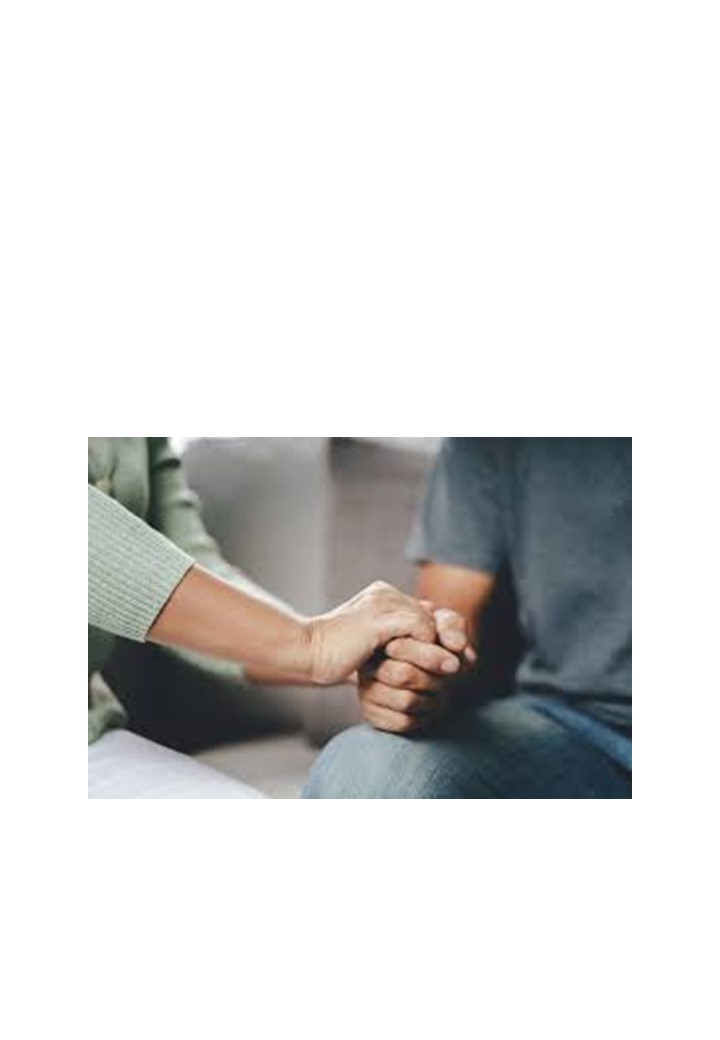
Marriage is often described as a lifelong partnership built on love, trust, and companionship. Yet one of the most overlooked ingredients in sustaining a deeply connected marriage is vulnerability—the courage to be fully seen by one’s partner. Many people associate vulnerability with weakness, fearing that opening up will expose their flaws or invite rejection. In truth, vulnerability is one of the greatest strengths a couple can cultivate. It creates emotional intimacy, nurtures trust, and transforms a marriage into a space where both partners can grow without fear of judgment.
Vulnerability means allowing your partner to witness your authentic self—your hopes, fears, insecurities, and dreams. It is the opposite of emotional armor. When couples hide behind defensiveness, pride, or silence, they may avoid conflict temporarily, but they also build walls that block connection. In contrast, when a partner says, “I’m scared,” “I feel insecure,” or “I need your support,” they invite emotional closeness. This transparency can feel uncomfortable, but it sends a powerful message: I trust you enough to show you who I really am.
One of the key strengths of vulnerability is its ability to deepen intimacy. Emotional transparency allows partners to understand each other on a profound level. When someone opens up without filters, their partner gains insight into their inner world—what they value, what hurts them, what motivates them. This understanding creates empathy, the foundation of a compassionate and supportive marriage. It transforms the relationship from a partnership of convenience into a bond rooted in genuine emotional connection.
Vulnerability also strengthens trust. Trust is not built merely through promises or external gestures; it grows through shared emotional experiences. When partners confide in each other and respond with care rather than criticism, trust flourishes. Each vulnerable moment becomes evidence that the relationship is a safe place. Over time, this emotional safety allows the marriage to become a refuge—where both individuals feel valued, accepted, and cherished for who they truly are.
However, being vulnerable is not always easy. Many people fear that opening up will lead to conflict or misunderstanding. Others grew up in environments where emotions were dismissed, making transparency feel foreign or risky. Yet in marriage, avoiding vulnerability often leads to emotional distance. Unspoken fears grow into resentment, suppressed emotions turn into tension, and partners slowly drift apart without understanding why.
The practice of vulnerability requires intentional effort. It begins with small steps—expressing feelings honestly, asking for help when needed, or sharing thoughts that are difficult to articulate. It requires listening with empathy and responding with kindness, even when emotions are raw. When both partners commit to this practice, vulnerability becomes a shared strength rather than an individual risk.
Ultimately, vulnerability is the art of being truly seen—and truly seeing your partner. It is the gateway to deeper love, mutual respect, and emotional fulfillment. In marriage, it transforms ordinary moments into meaningful ones and challenges into opportunities for growth. When couples embrace vulnerability, they open the door to a richer, more authentic connection—one that strengthens the marriage from the inside out.
Saviour Shanthalal Hettiarachchi
 Foundation for Lasting Relationship