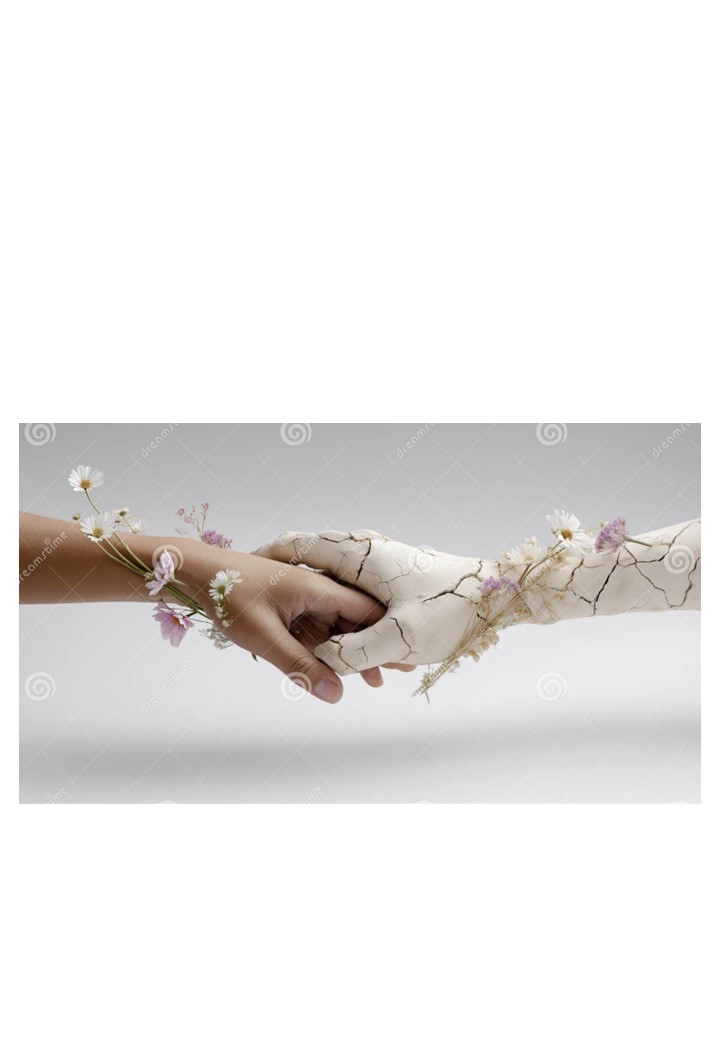
Human relationships are complex, layered with emotions, desires, and unspoken signals. One particular scenario that often stirs debate is when a man chooses to be naked in front of a woman who is not his wife, even if done in a covered or concealed manner. At first glance, such an act may appear to be purely physical or driven by lust. However, in a worldly context, it can reflect deeper dimensions of vulnerability, trust, and emotional connection. Understanding what this action means requires exploring human psychology, cultural norms, and the dynamics between men and women.
To stand unclothed before another person is not only a physical state but also a symbolic one. Clothing has always been a marker of identity, modesty, and social role. Shedding it represents a stripping away of defenses. Thus, if a man is willing to present himself naked in front of a woman who is not bound to him by marriage, it often signifies that he views her as someone with whom he can be transparent and vulnerable. This act can be interpreted as a gesture of profound trust, as he is exposing not only his body but also his sense of self without the protection of societal coverings.
From a psychological perspective, nudity in such contexts is rarely neutral. It can carry undertones of attraction, admiration, or a desire for intimacy. A man who feels comfortable showing his body to a woman is implicitly communicating that he sees her as special or significant. She is not just another figure in his life; rather, she is someone he wants to impress, connect with, or share a part of himself that he would not reveal to others. Even if the act is not consummated through a physical relationship, it hints at emotional or sexual energy directed toward her.
At the same time, the meaning of this action cannot be divorced from social norms. In most cultures, exposing one’s body outside the boundaries of marriage is considered taboo, or at least morally questionable. Therefore, when a man engages in such behavior, he is also making a silent statement of rebellion against conventional boundaries. It may reveal dissatisfaction within his marriage, a longing for freedom, or a desire to seek validation outside established commitments. In this sense, the act becomes not just personal but also social—a negotiation between individual desires and collective expectations.
How does the man feel about the woman in this situation? At the very least, he sees her as someone he can trust with his vulnerability. This may translate to admiration, attraction, or even love. In some cases, it may simply be a form of thrill-seeking, where the man enjoys testing boundaries. However, more often than not, such behavior suggests that he perceives the woman as more than a casual acquaintance. She becomes a mirror in which he reflects his hidden self—his unspoken desires, his insecurities, and his longing for acceptance.
In the worldly sense, this act symbolizes a complex interplay of trust, attraction, and the search for meaning beyond marital obligations. It reminds us that human relationships cannot be neatly categorized into black and white. Sometimes, what may look like immorality on the surface is in fact an expression of vulnerability, emotional need, or a cry for connection.
Ultimately, the man’s act of standing naked before a woman who is not his wife reveals much about his feelings. It shows that he wants to be seen, understood, and perhaps desired by her. It demonstrates that he assigns her a place of emotional significance in his life. Whether society approves of it or not, such an act sheds light on the timeless human struggle between societal duty and personal longing—a struggle that continues to shape relationships in every culture across the world.
 Foundation for Lasting Relationship