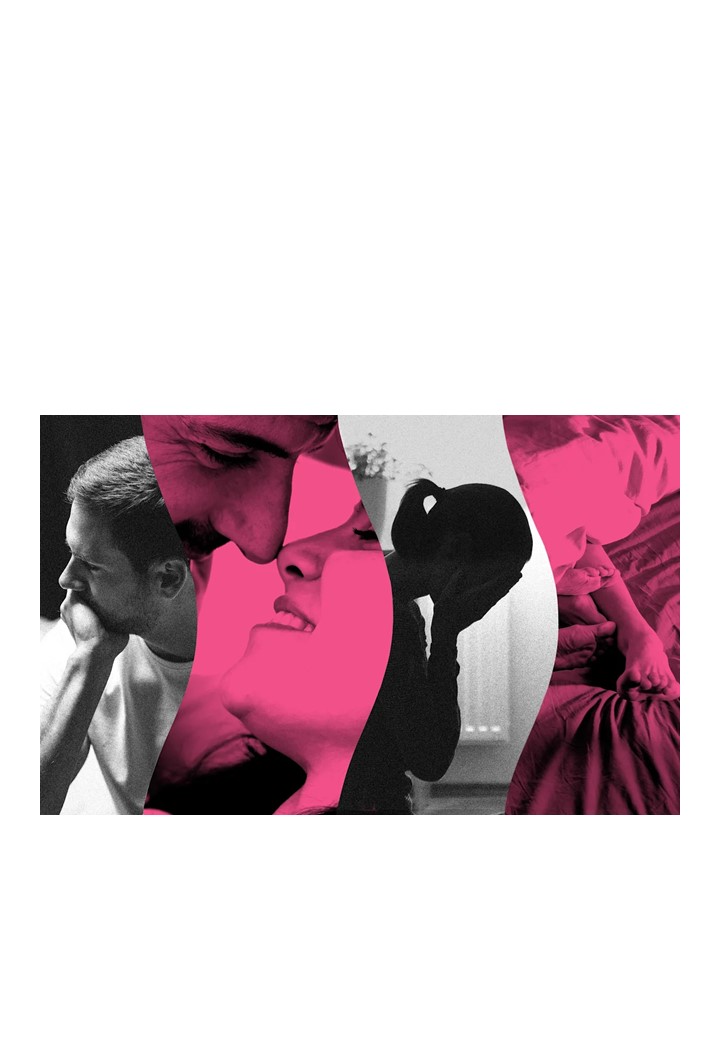
The word “unconventional” often stirs discomfort in people. Sometimes, just hearing the name of someone labeled as “different” or “rebellious” creates a sense of contempt. At times, even seeing the word written can provoke criticism or judgment. It becomes a topic many are reluctant to touch, yet they never hesitate to condemn.
And yet, imagine for a moment a world without the unconventional.
What if there were no voices that dared to differ? No hands that painted beyond the lines? No souls that chose to love differently, to live differently, to express themselves in ways that society did not always approve of? Many of the world’s greatest creations, the most touching works of art, literature, and music, would simply not exist. The world of creativity would be half-empty, stripped of the raw power of truth that often springs from defiance.
Think carefully: without the unconventional, love itself would be poorer.
Countless love stories throughout history are born out of what the world deemed unacceptable—relationships that crossed boundaries of caste, class, religion, gender, and expectation. Many of these stories, whether they ended in tragedy or triumph, gave love a new language and a deeper meaning. They taught us that love is not always about fitting into what society prescribes, but about courage—the courage to embrace what the heart knows to be true.
The unconventional is not a curse. It is a mirror with two sides. One side reflects confusion, mistakes, and even pain; the other shines with passion, authenticity, and resilience. Yes, some people lose themselves in relationships that society frowns upon, but others find their truest selves there. For them, the unconventional is not rebellion for the sake of rebellion—it is love, deep and pure, though misunderstood by others.
To deny the unconventional is to deny part of human nature.
If we erase it, we erase the voices of poets who bled their souls onto paper, the painters who captured forbidden beauty, the musicians who turned heartbreak into symphonies. We erase the bravery of individuals who lived honestly, even when their truth was rejected. We erase the possibility of looking at life from a new angle, of learning empathy by stepping into shoes unlike our own.
What the world often forgets is that unconventionality, when approached with sincerity, is not chaos. It is not filth. It is not a stain on morality. Rather, it is a different expression of the same fundamental human desire—to connect, to love, to belong.
The unconventional is necessary. It challenges hypocrisy. It reminds us that society’s standards are not always absolute; they shift with time, culture, and circumstance. What is taboo today may be accepted tomorrow, and what is accepted today may be questioned in the future.
So perhaps it is time to pause and reflect. Instead of instantly condemning what we do not understand, we might choose to listen. To see the human behind the label. To realize that the unconventional, too, can be a source of beauty, creativity, and even healing.
When humanity reaches the day where we can collectively understand this—that unconventional bonds are not inherently disgraceful, but often deeply meaningful—then you and I alike will see clearly that the unconventional is not garbage. It is, in fact, one of the most powerful expressions of life itself.
 Foundation for Lasting Relationship